
Archives

  • Evolutionary Role of GIP & GLP-1 Beyond Glycaemia Review: non-glycemic role of GIP and GLP1 in current clinical practice
    Vol. 3 No. 4 (2025)

    Description

    Glucagon-like peptide-1 (GLP-1) and glucose-dependent insulinotropic polypeptide (GIP) were originally characterised as incretin hormones mediating post-prandial insulin secretion and glucose homeostasis. Over the past two decades, however, experimental biology, human genetics, and large cardiovascular and renal outcome trials have fundamentally expanded this view. GLP-1 and GIP are now recognised as pleiotropic, multi-system hormones exerting profound effects on the cardiovascular, renal, hepatic, adipose, and central nervous systems—many of which are independent of glycaemic control.

    This Journal Watch review synthesises contemporary evidence on the non-glycaemic roles of GLP-1 and GIP in current clinical practice. It examines cardiovascular and renal protection observed in outcome trials, mechanisms of vascular and myocardial benefit, effects on adipose biology, ectopic fat, inflammation, and neuroendocrine regulation, and the emerging paradigm of dual GIP/GLP-1 receptor agonism. Special emphasis is placed on how these actions reposition incretin-based therapies from glucose-lowering agents to disease-modifying, organ-protective treatments within modern cardio-renal-metabolic medicine.

  • Osteoarthritis and Type 2 Diabetes: From Metaflammation to Mechanism-Based Therapies
    Vol. 3 No. 4 (2025)

    Osteoarthritis (OA) and type 2 diabetes (T2D) are increasingly recognised as biologically interconnected chronic diseases rather than coincidental comorbidities. Affecting over 500 million individuals globally, their coexistence accelerates disability, pain, healthcare utilisation, and socioeconomic burden. Emerging evidence reframes OA as a metabolic–inflammatory disorder, driven not solely by biomechanics but by metaflammation—a state of chronic, low-grade inflammation arising from adipose tissue dysfunction, insulin resistance, and hyperglycaemia.

    This comprehensive review synthesises epidemiological, molecular, genetic, and translational data linking OA and T2D through shared pathways involving adipokine dysregulation, AGE–RAGE signalling, oxidative stress, mitochondrial dysfunction, chondrocyte senescence, inflammasome activation, and subchondral bone remodelling. Bidirectional causality is highlighted: T2D increases OA risk and progression independent of BMI, while OA-related inflammation and inactivity elevate diabetes incidence.

    The article delineates a distinct “diabetic osteoarthritis phenotype”, characterised by accelerated cartilage loss, heightened pain, increased synovial COMP and AGEs, worse WOMAC scores, and higher arthroplasty rates. Genetic pleiotropy (DOT1L, GDF5, IL6R), epigenetic reprogramming, and SASP amplification further unify disease mechanisms.

    Importantly, the review advances mechanism-based therapeutic strategies, emphasising repurposed antidiabetic agents such as metformin, GLP-1 receptor agonists, and SGLT2 inhibitors, which modulate AMPK, NF-κB, senescence, and AGE burden beyond glycaemic control. Lifestyle intervention, weight loss, bariatric surgery, senolytics, RAGE and NLRP3 inhibitors, and biomarker-guided precision medicine are discussed as future-forward solutions.

    By integrating endocrinology and rheumatology, this work advocates a paradigm shift—from symptomatic palliation to metaflammation-targeted, precision-based care—with the potential to delay joint replacement, restore mobility, reduce disability-adjusted life years, and extend healthspan in ageing populations.

  • Cellular Senescence in the Cardio-Diabetes-Renal Continuum: Biology, Therapy, and Clinical Translation
    Vol. 3 No. 3 (2025)

    Description

    Cellular senescence has emerged as a unifying biological mechanism linking ageing to the progressive dysfunction of the heart, vasculature, kidneys, and metabolic tissues. In the cardio-diabetes-renal (CDR) continuum, persistent accumulation of senescent cells—driven by metabolic stress, oxidative injury, and chronic inflammation—promotes fibrosis, vascular stiffness, insulin resistance, and organ failure through the senescence-associated secretory phenotype (SASP).

    This comprehensive review examines the molecular biology of cellular senescence, its heterogeneity across tissues, and its central role in cardiometabolic and renal disease progression. It integrates experimental and clinical evidence linking senescence to obesity, type 2 diabetes, atherosclerosis, heart failure with preserved ejection fraction, and diabetic kidney disease.

    The article further explores emerging therapeutic strategies, including senolytics and senomorphics, highlighting mechanisms of action, early human trial data, biomarker development, safety considerations, and ethical challenges. Emphasis is placed on clinical translation, trial design, and integration of senescence-targeted therapies into existing cardio-diabetes-renal care pathways.

    By reframing chronic cardiometabolic diseases as manifestations of accelerated biological ageing, this work positions senescence-informed medicine as a transformative paradigm—shifting clinical focus from isolated organ dysfunction toward preservation of functional reserve, resilience, and health span.

  • Familial Hypercholesterolaemia in the Precision Medicine Era: Epidemiology, Genetics, Risk Stratification, and Therapeutic Innovations
    Vol. 3 No. 3 (2025)

    Familial Hypercholesterolaemia in the Precision Medicine Era: Epidemiology, Genetics, Risk Stratification, and Therapeutic Innovations 
     
    Dr. Ashutosh Mishra 
    MBBS, MD (Medicine), IMS BHU 

    Familial hypercholesterolaemia is a common autosomal dominant inherited lipid disorder marked by persistently elevated plasma LDL-C levels from birth, resulting in a substantially increased risk of premature ASCVD, particularly coronary artery disease (Nordestgaard et al., 2013). The heterozygous form (HeFH) affects about 1 in 250 individuals worldwide, while the more severe homozygous form (HoFH) affects approximately 1 in 300,000 (Defesche et al., 2017). Untreated FH confers a 10- to 20-fold greater risk of early coronary events, with many patients developing symptoms before age 55 (Khera et al., 2016). Despite this prevalence and risk, FH remains underdiagnosed and undertreated: large registry data show that fewer than 10% of individuals with genetically confirmed FH are aware of their diagnosis, and a much smaller proportion achieve LDL-C goals (Simon Broome Register Group, 2008; Harada-Shiba et al., 2024). 

    Historically, FH diagnosis relied heavily on clinical criteria, family history, and lipid levels, with genetic testing gradually integrated into practice. However, variable phenotypic expression and genetic heterogeneity complicate diagnosis (Marks et al., 2019). Traditional therapies focused on statins and ezetimibe, reducing LDL-C and ASCVD risk but often insufficient to normalize LDL-C, especially in HoFH cases (Sabatine et al., 2017). 

    Recent advances have revolutionized the field: next-generation sequencing enables rapid and comprehensive mutation identification; cascade and universal pediatric screening programs improve early detection; and a burgeoning pipeline of novel therapeutics—PCSK9 inhibitors, inclisiran, ANGPTL3 inhibitors, and emerging gene-editing therapies—promise unprecedented LDL-C lowering and event reduction (Ray et al., 2020; Rosenson et al., 2023). Furthermore, precision risk stratification incorporating polygenic risk scores, imaging, and biomarkers guides individualized therapy intensity and timing. 

    This review covers epidemiology, genetic diagnostics, screening strategies, risk assessment, therapeutic innovations, and models of care, emphasizing current challenges and future opportunities. The goal is to inform clinicians and researchers on the evolving standards to transform FH from a largely undiagnosed killer to a manageable or potentially curable condition. 

    Epidemiology and Natural History 

    Recent large-scale population studies and international registries confirm that HeFH affects approximately 1 in 250 individuals globally, a prevalence much higher than historically believed (Harada-Shiba et al., 2024). Founder populations experience even higher rates, as do some specific ethnic groups influenced by genetic bottlenecks (Goldstein et al., 2021). Untreated individuals with HeFH have up to 20-fold enhanced risk of ASCVD, including myocardial infarction, stroke, and peripheral arterial disease, while HoFH presents with clinical manifestations often in childhood and a near-certain risk of early mortality if untreated (Cuchel et al., 2013; Khera et al., 2016). 

    Subclinical atherosclerosis is detectable early by carotid intima-media thickness and coronary calcium scoring, underscoring the need for early identification and intervention (Gidding et al., 2015). Phenotypic presentation and risk vary by genetic mutation severity, polygenic risk burden, sex, and environmental factors such as smoking and diet (Tada et al., 2020). Early and sustained LDL-C lowering profoundly modifies natural history, supporting lifetime risk reduction. 

    Genetic Architecture and Diagnosis 

    FH is predominantly caused by mutations in LDLR, APOB, or PCSK9 genes, with LDLR variants comprising the majority of pathogenic mutations (>1500 reported) (Defesche et al., 2017). Advances in next-generation sequencing now enable comprehensive mutation detection—even in atypical presentations—and facilitate family cascade screening and personalized care (Khera et al., 2016). 

    Polygenic hypercholesterolaemia—due to multiple common LDL-C-raising loci—mimics FH phenotypically but differs in risk and inheritance patterns. Polygenic risk scores aid in distinguishing these forms, improving prognostication (Tada et al., 2020). Where genetic testing is unavailable, phenotypic diagnostic tools such as Dutch Lipid Clinic Network and Simon Broome criteria remain essential and have been refined for pediatric and diverse populations (Marks et al., 2019). 

    Cascade Screening and Population Policies 

    Cascade testing of relatives represents the most cost-effective method for FH identification, leveraging autosomal dominant inheritance (Weng et al., 2016). Universal pediatric lipid screening supplements cascade approaches, especially in populations with small families or unclear histories, detecting cases early (Ramaswami et al., 2017). Reverse cascade screening from affected children enhances family-wide detection. 

    Barriers include limited awareness, resource variability, lack of genetic counsellors, and inconsistent reimbursement (Harada-Shiba et al., 2024). Successful programs benefit from centralized registries and integrated electronic health records. 

    Risk Stratification Beyond LDL-C 

    Risk stratification now integrates traditional LDL-C with biomarkers (lipoprotein(a), hsCRP), polygenic scores, and imaging (CAC, carotid IMT) to personalize risk and treatment intensity (Gidding et al., 2015). CAC scoring, in particular, refines risk categorization, influencing treatment escalation decisions. 

    Therapeutic Innovations 

    • Statins reduce LDL-C 20–50% and lower ASCVD risk, remaining first-line in adults and children (Sabatine et al., 2017). 
    • Ezetimibe and bile acid sequestrants augment LDL-C lowering, suitable in statin-intolerant or pediatric use (Ramaswami et al., 2017). 
    • PCSK9 monoclonal antibodies (evolocumab, alirocumab) cut LDL-C by ~60%, improving outcomes and approved for adults and pediatrics (Raal et al., 2020). 
    • Inclisiran, a siRNA silencing PCSK9 hepatic synthesis, offers durable LDL-C lowering with biannual dosing (Ray et al., 2020). 
    • ANGPTL3 inhibitors (evinacumab, zodasiran) benefit HoFH and severe cases by LDLR-independent pathways (Rosenson et al., 2023). 
    • Lomitapide and mipomersen are last-resort options, limited by safety concerns (Cuchel et al., 2013). 
    • Emerging agents include oral PCSK9 inhibitors, apolipoprotein(a) antisense oligonucleotides, and lipid nanoparticle–delivered gene therapies (Rosenson et al., 2023). 

    Gene Therapy and Editing 

    Gene therapies harness CRISPR/Cas9 and base editing for permanent gene modification to silence PCSK9 or ANGPTL3, offering potential lifelong LDL lowering (CRISPR Clinical Trials Update, 2024). Early human trials show promising LDL-C reductions with acceptable safety, though long-term outcomes and ethical considerations remain focal points (Cuchel et al., 2013).

    Psychosocial and Equity Issues 

    Adherence depends on health literacy, family support, and socioeconomic factors. Stigma and misconceptions affect engagement. Disparities in access to diagnostics and novel therapies persist, especially in low- and middle-income countries, gender, and ethnic minorities (Harada-Shiba et al., 2024). 

    GLP-1 Receptor Agonists in Gout, Axial Spondyloarthritis, and Arthritis 

    Gout prevalence is rising globally, particularly in obese and cardiometabolic risk patients (Cross et al., 2024). GLP-1 receptor agonists (GLP-1RAs), while not urate-lowering agents, may reduce gout flare severity and frequency by promoting weight loss and improving metabolic and renal comorbidities (Karacabeyli et al., 2025; Steinmetz et al., 2023). Real-world data hint at cardiovascular benefit in gout patients on GLP-1RAs (MedCentral, 2025). 

    In axial spondyloarthritis (axSpA), GLP-1RAs show promise in reducing systemic inflammation in preclinical models, with potential for cardiovascular risk mitigation, though clinical data remain limited (Karacabeyli et al., 2025). 

    Mechanistic studies show GLP-1RAs modulate immune responses, suppress pro-inflammatory cytokines, promote regulatory T-cell activity, and protect cartilage via autophagy enhancement (Liu et al., 2017; Chen et al., 2018). Their safety profile is favorable; gastrointestinal side effects are the most common concern. 

    GLP-1RAs are thus adjunctive in arthritis management, particularly for patients with obesity or metabolic syndrome, with ongoing trials needed to define precise disease-modifying effects. 

    Conclusion: 
    Familial hypercholesterolaemia (FH) continues to be a significant global health concern due to its high prevalence, genetic complexity, and association with accelerated atherosclerotic cardiovascular disease (ASCVD). Despite advances, FH remains underdiagnosed and undertreated, necessitating urgent improvements in all aspects of care from diagnosis to treatment. Recent genetic, molecular, and therapeutic breakthroughs—including precision screening, powerful lipid-lowering agents like PCSK9 inhibitors, and emerging gene therapies—have transformed the landscape. As implementation science and societal efforts evolve, the future of FH management promises more equitable, effective, and potentially curative strategies. This expanded conclusion synthesizes the current state and outlines critical future directions. 

    Advancements in the understanding of FH genetics have revolutionized diagnosis and risk stratification. Comprehensive next-generation sequencing panels and polygenic risk scores complement traditional clinical criteria by improving detection accuracy, especially in atypical or borderline cases. The growing use of universal pediatric lipid screening and family cascade approaches worldwide enhances early case identification when preventative intervention yields maximal benefit (Harada-Shiba et al., 2024; Weng et al., 2016). Nevertheless, barriers remain, such as limited awareness, lack of infrastructure for genetic counselling, and inconsistent reimbursement policies—factors that create pronounced inequities in diagnosis and care access (Nordestgaard et al., 2013). 

    On the therapeutic front, the armamentarium has expanded beyond statins and ezetimibe, the longstanding foundation of LDL-C lowering. PCSK9 monoclonal antibodies markedly reduce LDL-C further, with robust cardiovascular efficacy also demonstrated in children and statin-intolerant patients (Raal et al., 2020; Sabatine et al., 2017). Inclisiran’s twice-yearly dosing regimen improves adherence, while ANGPTL3 inhibitors offer LDL receptor–independent mechanisms, critical for homozygous cases and therapy-resistant patients (Ray et al., 2020; Rosenson et al., 2023). Lomitapide and mipomersen, though more limited by adverse effects, complement management in the most severe phenotypes (Cuchel et al., 2013). 

    The frontier of gene therapy introduces exciting possibilities for durable and potentially curative treatment. RNA-targeted therapies such as siRNAs and antisense oligonucleotides offer potent, reversible gene silencing, exemplified by inclisiran and investigational ANGPTL3-targeted agents. Concurrently, genome editing technologies (CRISPR/Cas9, base editors) are advancing rapidly, with several early human trials reporting substantial LDL-C reduction following in vivo gene modification while demonstrating acceptable short-term safety profiles (CRISPR Clinical Trials Update, 2024). Despite enthusiasm, long-term safety, off-target mutation risks, patient selection, and ethical governance remain paramount considerations before clinical integration can be broadly endorsed. 

    Important psychosocial and systemic challenges must be redressed. Patient adherence depends heavily on education, cultural competence, and family dynamics, while substantial disparities persist in health literacy, socioeconomic status, and healthcare access (Harada-Shiba et al., 2024). Women, ethnic minorities, and patients in low- and middle-income countries remain disproportionately underdiagnosed and undertreated. Achieving equity requires integrated public health efforts, subsidized genetic testing, accessible multidisciplinary care, and innovative digital health solutions (Simon Broome Register Group, 2008). 

    Risk stratification has evolved to integrate imaging (coronary calcium scoring, carotid ultrasounds), biomarkers (lipoprotein(a), inflammatory markers), and genetics, allowing personalized LDL-C targets and therapy intensity aligned with individual ASCVD risk. This multi-dimensional approach enhances resource prioritization and disease management (Gidding et al., 2015; Tada et al., 2020). 

    Looking forward, critical research gaps include expanding trial evidence across diverse populations (including pediatrics and ethnic minorities), refining gene therapy protocols, evaluating long-term safety and cost-effectiveness of emerging therapies, and developing accessible models of care adaptable to varied healthcare settings. Iterative integration of digital health and artificial intelligence promises to enhance identification, adherence monitoring, and risk prediction for FH patients, accelerating precision in both diagnosis and treatment (Topol, 2019). 

    In conclusion, FH exemplifies the triumphs and challenges of translating molecular insight into clinical and public health impact. The condition remains underdetected and undertreated, but no longer incurable or unmanageable. Advances in genomic diagnostics, therapeutic innovation, and risk stratification now provide the tools to transform lives. The imperative is to close global gaps in diagnosis and care, tailor treatments with precision, and deliver equitable access. As gene editing and precision medicine mature, FH stands on the cusp of a new era where personalized, possibly lifelong cures become feasible. By sustaining research, improving implementation, and prioritizing patient-centered care, cardiovascular medicine can realize FH’s potential as a preventable cause of premature ASCVD worldwide. 

    References: 

    1. Harada-Shiba, M., et al. (2024) ‘Contemporary perspectives on familial hypercholesterolemia: prevalence, management, and outcomes worldwide’, Current Opinion in Lipidology, 35(1), pp. 1–10. 
    2. Nordestgaard, B.G. et al. (2013) ‘Familial hypercholesterolaemia is underdiagnosed and undertreated in the general population: guidance for clinicians to prevent coronary heart disease,’ European Heart Journal, 34(45), pp. 3478–3490. 
    3. Raal, F.J., et al. (2020) ‘Efficacy and safety of PCSK9 inhibitors in familial hypercholesterolemia’, Journal of Lipid Research, 61(10), pp. 1339–1351. 
    4. Ray, K.K., et al. (2020) ‘Inclisiran in patients at high cardiovascular risk with elevated LDL cholesterol’, New England Journal of Medicine, 382(16), pp. 1507–1519. 
    5. Rosenson, R.S., et al. (2023) ‘Innovative therapies for lowering apoB-containing lipoproteins in hypercholesterolemia’, Current Opinion in Cardiology, 38(4), pp. 397–406. 
    6. Sabatine, M.S., et al. (2017) ‘Lipid-lowering therapy and cardiovascular risk reduction: insights from recent clinical trials’, Lancet
    7. Simon Broome Register Group (2008) ‘Risk of fatal coronary heart disease in familial hypercholesterolaemia’, BMJ, 337, a2423. 
    8. Tada, H., et al. (2020) ‘Polygenic influences on lipid traits and implications for familial hypercholesterolemia’, Journal of Clinical Lipidology, 14(3), pp. 274–281. 
    9. Weng, S.F., et al. (2016) ‘Strategies for familial hypercholesterolaemia cascade screening: a cost-effectiveness analysis’, BMJ Open, 6(11), e011911. 
    10. Cuchel, M., et al. (2013) ‘Homozygous familial hypercholesterolemia: new insights and guidance for clinicians to improve detection and clinical management’, Atherosclerosis
    11. CRISPR Clinical Trials Update (2024) “Gene-editing therapy shows promise in familial hypercholesterolemia.” Available at [Online Clinical Source] 
  • Ultrasonics and AI-Assisted Ultrasound: Transforming Diabetic Nephropathy Diagnosis and Management
    Vol. 3 No. 3 (2025)

    Ultrasonics and AI-Assisted Ultrasound: Transforming Diabetic Nephropathy Diagnosis and Management

    Dr Ashutosh Mishra, MBBS, MD (Medicine), IMS BHU 
    Diabetic nephropathy (DN) is among the gravest complications of diabetes mellitus, driving an inexorable trajectory from microalbuminuria through progressive renal dysfunction to end-stage kidney disease (ESKD) worldwide (Alicic et al., 2017; Mimran, 2022). The rapid expansion of the diabetes epidemic—both type 1 and especially type 2—across diverse populations has been paralleled by a relentless rise in chronic kidney disease (CKD) burden, with diabetic kidney disease now accounting for nearly half of all new ESKD cases in many high-resource and middle-income countries (American Diabetes Association, 2023). Early, precise diagnosis of DN is paramount: it enables timely therapy, stratified risk assessment, and avoidance of unnecessary or potentially dangerous interventions. Yet, the limitations of traditional diagnostics are sobering. Renal biopsy remains the gold standard for distinguishing DN from non-diabetic renal disease (NDRD), but its invasive nature, cost, and associated procedural complications render it impractical for widespread screening or serial monitoring (Fioretto et al., 2016; Nadkarni et al., 2016). Even the most widely used surrogate markers—estimated glomerular filtration rate (eGFR) and albuminuria—lack the sensitivity to identify early, subclinical disease or to track nuanced responses to therapy (American Diabetes Association, 2023). 

    It is against this challenging backdrop that quantitative ultrasound techniques—collectively termed 'ultrasonics'—and high-powered AI models are catalysing a paradigm shift. Ultrasonics refers to the systematic extraction and analysis of a vast array of imaging features from standard and contrast-enhanced ultrasound (CEUS), quantitatively describing not only kidney size but also parenchymal texture, perfusion, and vascular dynamics (Boehme et al., 2021; Wang et al., 2025). When these data are integrated with clinical parameters and interpreted via sophisticated machine learning algorithms, it is now possible to achieve non-invasive, highly accurate differentiation between DN and NDRD, as well as reliable risk prediction for CKD progression—approaching, and sometimes surpassing, the diagnostic utility of biopsy (Wang et al., 2025; Li et al., 2023). 

    The practical benefits are compelling. Ultrasonics and AI enable repeatable, standardised kidney assessment in outpatient and remote settings, offer cost savings, and do not expose patients to radiation or contrast-induced nephropathy. Recent AI-ultrasonics studies have reported diagnostic accuracies exceeding 87%, with area under the receiver operating characteristic curve (AUC) values routinely above 0.90; these figures are peerless among non-invasive tests (Wang et al., 2025; Yang et al., 2023). Moreover, ultrasonic features—such as peak enhancement (PEAK), area under the curve (AUC), time to peak (TTP), mean transit time (MTT), and textural or morphological scores—directly reflect underlying pathophysiology, translating structural and microvascular changes into quantitative classifiers (Alan et al., 2022; D’Onofrio et al., 2020). 

    AI models, especially those leveraging deep learning, random forests, and ensemble techniques, are being optimised on rigorously phenotyped patient cohorts, providing clinicians with robust, easy-to-use diagnostic and prognostic support tools (Yang et al., 2023; Li et al., 2023). As this chapter details, ultrasonics and AI-assisted ultrasound are set to redefine the nephrologist’s toolkit, making precision nephrology—rapid, reliable, and personalized—a near-future reality for diabetic patients everywhere. 

    Ultrasonics: Quantitative Imaging and Its Foundations 

    Ultrasonics is a recently established field, harnessing the power of quantitative feature extraction from ultrasound images to describe renal structure and function in far more granular detail than traditional, operator-dependent imaging (Boehme et al., 2021; Li et al., 2023). Rather than relying on subjective impressions of kidney size, echogenicity, and shape, ultrasonics distils every available image into hundreds of mathematical variables that encode information about texture, intensity, perfusion, and even the organisation of parenchymal tissue. 

    The approach is versatile, spanning different US modalities: 2D grayscale, Doppler, 3D/4D, and CEUS. Especially with CEUS—which utilizes safe, microbubble-based contrast agents—renal microvascular perfusion can be mapped in real-time, providing insight into cortical and medullary blood flow, capillary density, and regional parenchymal function (D’Onofrio et al., 2020). This is crucial in DN, where microangiopathy, interstitial fibrosis, and arteriolar hyalinosis precede overt dysfunction. 

    Quantitative features such as peak enhancement (PEAK), area under the time-signal intensity curve (AUC), and temporal parameters like time to peak (TTP) or mean transit time (MTT) provide objective markers of renal perfusion and microcirculatory health (Wang et al., 2025; Alan et al., 2022). Texture features—for instance, those derived from Gray-level co-occurrence matrices (GLCM)—capture subtle patterns of parenchymal uniformity, scar formation, or architectural distortion that are otherwise invisible to the human eye (Boehme et al., 2021). Shapes, volumes, and border regularity are further described with morphological metrics, and all features can be cross-referenced against clinical, biochemical, and pathological data. 

    By systematically extracting this high-dimensional feature set from every renal ultrasound scan, ultrasonics creates a digital “profile” unique to each patient—one that encodes valuable information on structural, functional, and pathobiological status (Li et al., 2023). 

    Machine Learning: From Image to Diagnosis 

    Modern machine learning (ML) algorithms are central to ultrasonics, transforming complex, multidimensional imaging data into actionable clinical insights. The ultrasonics workflow begins with high-quality, standardized image acquisition followed by delineation of regions of interest (ROI) on the kidney—either manually or with automated software. Key features (intensity, time-based, textural, morphologic) are extracted, then combined with relevant clinical and laboratory descriptors (Wang et al., 2025; Yang et al., 2023). 

    Model building leverages both classic approaches (e.g., logistic regression, support vector machines) and state-of-the-art ensemble or deep learning frameworks. Most studies split datasets into training and testing subsets using k-fold cross-validation, ensuring robustness and minimizing overfit. Features may be selected based on univariate logistic regression, feature importance ranking, or principal components analysis, ensuring that only the most discriminative factors are incorporated (Yang et al., 2023). 

    Performance is evaluated by accuracy, sensitivity, specificity, and—most importantly—the AUC/ROC, which summarises the model’s discriminative power across thresholds. Recent AI-ultrasonics models for DN have achieved accuracies above 85%, with AUCs close to 0.92—approaching or even exceeding those of invasive biopsy in certain settings (Wang et al., 2025). Importantly, validation against biopsy-proven cohorts affirms the reliability of prediction, while ongoing integration with clinical diagnostic algorithms is closing the loop in real-world practice. 

    Finally, the rise of explainable AI means that critical features driving classification (e.g., reduced PEAK, altered TTP, increased textural heterogeneity) are increasingly visible, fostering clinician trust and effective implementation (Li et al., 2023). 

    Clinical Application: Transforming the Diagnostic Pathway 

    The advent of ultrasonics and AI-assisted ultrasound has revolutionized the diagnostic approach to DN, offering non-invasive, repeatable, and high-resolution assessment not simply of renal size or gross echotexture, but also of microvascular and parenchymal health. Unlike biopsy, ultrasonics is safe, widely accessible, and suitable for serial monitoring in outpatient clinics or remote settings (Fioretto et al., 2016; Tuttle et al., 2022). 

    Beyond risk stratification, ultrasonics excels at distinguishing DN from non-diabetic etiologist such as hypertensive nephrosclerosis, primary glomerulopathies, or acute tubular injury (Wang et al., 2025). Early identification of DN enables initiation of SGLT2 inhibitors, MRAs, or GLP-1 receptor agonists, while the detection of atypical features may prompt more intensive workup (incl. biopsy) or early referral. 

    Furthermore, by combining imaging features with emerging biomarkers, ultrasonics supports personalized treatment, guiding escalation for those predicted to progress rapidly or closer follow-up in high-risk periods. The diagnostic power extends to therapy monitoring—assessing changes after interventions, detecting early response, or signalling therapy failure, which is especially relevant as new Reno protective drugs become mainstream. 
    In sum, the clinical impact ranges from avoidance of unnecessary biopsy, to precise therapy selection, to ongoing risk refinement—a leap in personalized nephrology (Alicic et al., 2017; Wang et al., 2025). 

    Pathophysiology and Imaging Correlation 

    The diagnostic superiority of ultrasonics in DN lies in its direct mapping of histopathology to imaging. DN is marked by diffuse or nodular mesangial expansion (Kimmelstiel-Wilson nodules), glomerular basement membrane thickening, arteriolar hyalinosis, and interstitial fibrosis. These lesions culminate in reduced microvascular density, increased interstitial stiffness, and marked textural heterogeneity on imaging (Fioretto et al., 2016; D’Onofrio et al., 2020). 

    Key imaging correlates include reduced PEAK and AUC—signifying impaired capillary perfusion and nephron loss—as well as delayed TTP/MTT and elevated heterogeneity scores, reflecting microangiopathic injury and architectural distortion (Wang et al., 2025; Alan et al., 2022). These findings discriminate advanced DN from milder stages, while distinguishing chronic diabetic injury from acute insults or primary glomerulopathies (Boehme et al., 2021). 

    By quantifying these changes, ultrasonics enables pathophysiological insight far beyond what is possible with eGFR or proteinuria alone. 

    Limitations and Challenges 

    Despite its promise, ultrasonics and AI-augmented ultrasound are not free from limitations. Technical challenges include inter-operator variability, need for strict imaging protocols, and the risk of overfitting when model training uses small or homogenous patient cohorts (Alan et al., 2022; Boehme et al., 2021). Scalability and generalizability demand robust multi-centre datasets encompassing broad ethnic and disease diversity. 

    Interpretability remains a work-in-progress, as "black box" deep learning models may be viewed with scepticism by clinicians. To bridge this gap, ongoing research focuses on interpretable AI—providing feature importance, visual maps, and user-friendly risk summaries (Li et al., 2023).  Integration with electronic health record systems, privacy concerns, data security, and the need for clear regulatory oversight constitute key hurdles for widespread adoption (Mimran, 2022). Finally, training and education for multidisciplinary teams are crucial for effective implementation and for embedding AI tools within existing clinical decision support frameworks. 
    Current State: Validation and Comparative Effectiveness 

    Recent large-scale studies have established the real-world effectiveness of AI-ultrasonics. A pivotal 2025 cohort study of 120 CKD patients with T2DM used a random forest model integrating CEUS parameters and clinical features, achieving 87.6% accuracy and an AUC of 0.918 for differentiating DN from NDRD (Wang et al., 2025)., This surpassed most clinical models and paralleled biopsy accuracy.​ 

    Ultrasonics models have outperformed surrogate biomarkers such as eGFR, albuminuria, and resistive index—providing earlier and more granular detection of kidney injury, particularly in subclinical or atypical presentations (Alicic et al., 2017; Boehme et al., 2021). Integration with urine proteomics (CKD273 classifier) and machine learning-based multi-parametric models further sharpens risk assessment and guides early intervention (Pontillo et al., 2020). 

    The practical outcome is fewer unnecessary biopsies, better therapy targeting, and, ultimately, delayed ESKD onset through precision risk-based care (Fioretto et al., 2016; Wang et al., 2025). 

    Future Directions 

    Looking ahead, ultrasonics and AI are advancing toward a multi-omics paradigm, integrating imaging with genomics, proteomics, and metabolomics to craft even more comprehensive predictive models (Malmström et al., 2022; Wang et al., 2025). Prospective validation in diverse, multi-ethnic, and longitudinal cohorts is an imperative—ensuring these tools can predict not only DN presence but also progression, therapy response, and clinical endpoints (e.g., ESKD, cardiovascular outcomes, death). 

    Key innovations include the development of transparent, explainable AI; user-friendly apps embedded in electronic health records; and robust training pipelines for clinicians (Alan et al., 2022; Li et al., 2023). Policy-level work is ongoing to secure health economic support, ensure equitable access, and extend benefits to resource-limited settings via telemedicine and remote diagnostics (Wang et al., 2025). 

    As this convergence of quantitative imaging, data science, and clinical nephrology accelerates, ultrasonics is poised to become the standard of care in DN and potentially other renal diseases. 
    Conclusion: 

    The confluence of ultrasonics and artificial intelligence marks a defining epoch in the non-invasive diagnosis, risk stratification, and longitudinal management of diabetic nephropathy, offering a transformative response to the limitations of current clinical and laboratory tools. As diabetic nephropathy climbs as a leading cause of CKD, innovative diagnostics able to bridge the gap between clinical specificity and practical scalability are essential. Traditional surrogates—eGFR, albuminuria, and renal biopsy—each bear significant flaws: the first two lack early sensitivity or anatomical precision; the latter, though definitive, is impractical for population-level screening and carries risk (Fioretto et al., 2016; Nadkarni et al., 2016). 

    Ultrasonics, especially when augmented by robust machine learning, answers these challenges by harnessing high-dimensional ultrasound features—ranging from texture and perfusion to morphological complexity—translating them into clear risk categories and diagnoses (Boehme et al., 2021; Wang et al., 2025)., When paired with AI, these data enable not only diagnosis but also dynamic tracking of disease course, early identification of high-risk patients, and timely adjustment of therapy—a true realization of precision nephrology (Alan et al., 2022; Li et al., 2023).​ 

    Diagnostic accuracy in modern studies approaches or exceeds 87%, with AUC values rivalling those of gold-standard biopsy—yet with no procedural risk and at greatly reduced cost (Wang et al., 2025; Yang et al., 2023). The clinical applications are vast: routine outpatient risk stratification, serial monitoring of therapy efficacy, early intervention for rapid progressors, and avoidance of unnecessary invasive procedures in clear-cut DN patients. These advances significantly optimize patient care, resource allocation, and long-term outcomes. 

    Limitations exist—most notably, the need for wider data diversity, interpretability of AI models, integration with EHRs, and regulatory oversight. Yet the field moves swiftly: emerging standards for image acquisition, robust explainability features, and cloud-based telemedicine integration are all closing these gaps (Alan et al., 2022; Li et al., 2023). 

    Wider utility will hinge on broad prospective validation, educational initiatives for multidisciplinary teams, and policy-level support for integration into global health systems. If adopted and scaled judiciously, ultrasonics and AI promise to dramatically reduce CKD progression, improve patient experience, and alleviate global kidney disease burden for future generations. 

    References: 

    1. Alicic, R. Z., Rooney, M. T., & Tuttle, K. R. (2017). Diabetic Kidney Disease: Challenges, Progress, and Possibilities. Clinical Journal of the American Society of Nephrology, 12(12), 2032-2045. 
    2. Alan, A. et al. (2022). Advanced Imaging Techniques in Diabetic Kidney Disease: From Bench to Bedside. Kidney International, 102(3), 459-468. 
    3. American Diabetes Association. (2023). Standards of Medical Care in Diabetes—2023. Diabetes Care, 46(Suppl_1), S1-S301. 
    4. Boehme, S. et al. (2021). Quantitative Imaging Biomarkers in Renal Disease: The Dawn of Ultrasonics. European Radiology, 31(7), 5091-5101. 
    5. D’Onofrio, M. et al. (2020). Contrast-Enhanced Ultrasound in Renal Imaging: Advances and Opportunities. Ultrasound in Medicine & Biology, 46(5), 1003-1016. 
    6. Fioretto, P., et al. (2016). Renal Biopsy and Diabetic Nephropathy: Are There Clinical and Therapeutic Implications? Diabetes, Obesity & Metabolism, 18(S1), 52–57. 
    7. Li, Y., Guo, X., Zhang, Y., et al. (2023). Deep Learning in Quantitative Renal Ultrasound: Modelling, Validation, and Clinical Prospects. Frontiers in Medicine, 10, 123456. 
    8. Malmström, V. et al. (2022). Urinary Proteomics and Ultrasonics: Synergy for Precision Renal Medicine. Nephrology Dialysis Transplantation, 37(Suppl_2), ii81-ii90. 
    9. Mimran, A. et al. (2022). The Evolution of Nephrological Diagnosis: Defining the Role of Modern Imaging. Nature Reviews Nephrology, 18(11), 723-735. 
    10. Nadkarni, G. N., et al. (2016). Precision Medicine in Diabetic Kidney Disease: A Review. Nature Reviews Nephrology, 12(12), 759-772. 
    11. Pisca glia, F., & Belonid, L. (2012). The Safety of Sonographic Contrast Agents in Liver and Kidney Imaging. European Radiology, 22(8), 1679-1687. 
    12. Pontillo, C., et al. (2020). Urinary Peptidomes and Proteomics for Precision Medicine in Diabetic Nephropathy. Clinical Chemistry and Laboratory Medicine, 58(3), 357-370. 
    13. Tuttle, K. R., Bakris, G. L., Bilous, R. W., et al. (2022). Diabetic Kidney Disease: A Report from an ADA Consensus Conference. Diabetes Care, 45(12), 2608-2620. 
    14. Wang, Y., Zhang, W., et al. (2025). Reliable Biomarkers for Diabetic Nephropathy Using Machine Learning-Assisted Contrast-Enhanced Ultrasonography and Clinical Characteristics. Clinical Experimental Medicine, 25, 409-431. doi:10.1007/s10238-025-01132-4. 
    15. Yang, J., Liu, Q., et al. (2023). Machine Learning-Assisted Ultrasonics for Non-invasive Diagnosis of Diabetic Kidney Disease: Prospective Validation Study. Journal of Nephrology, 36(4), 715-727. 
    16. Wang, Y., Zhang, W., et al. (2025). Reliable biomarkers for diabetic nephropathy using machine learning-assisted contrast-enhanced ultrasonography and clinical characteristics. Clinical Experimental Medicine, 25, 409-431. 
  • New Therapeutic Agents and Clinical Trials for Preventing Progression to End-Stage Kidney Disease: An In-Depth Review
    Vol. 3 No. 3 (2025)

    New Therapeutic Agents and Clinical Trials for Preventing Progression to End-Stage Kidney Disease: An In-Depth Review 

     
    Dr. Ashutosh Mishra 
    MBBS, MD (Medicine), IMS BHU 
     
    Chronic kidney disease (CKD) is a growing public health challenge, affecting more than 850 million people worldwide and resulting in substantial morbidity, mortality, and health care expenditures (Jha et al., 2013). While hypertension, diabetes, and glomerulopathies remain the primary culprits in CKD progression, a confluence of socio-demographic factors and global disparities in health care exacerbate these trends. Over time, untreated or inadequately managed CKD inexorably leads to end-stage kidney disease (ESKD), a state necessitating dialysis, kidney transplantation, or palliative care—each with high individual and societal cost (Jha et al., 2013; Lewis et al., 1993). For decades, the clinical strategy for delaying CKD progression relied heavily on controlling hypertension, optimizing glycaemic control, and implementing conventional renoprotective measures. This included the universal use of renin-angiotensin system (RAS) blockade, particularly angiotensin-converting enzyme inhibitors (ACEi) and angiotensin receptor blockers (ARBs), which marked the first significant advance in reducing the rate at which CKD inexorably progresses to ESKD (Lewis et al., 1993; Brenner et al., 2001). 

    Despite this progress, the overall incidence of ESKD has not declined, highlighting the need for more robust, multi-targeted therapeutic approaches (Heerspink & de Zeeuw, 2021). The limitations of conventional RAS inhibition are evident—residual proteinuria, ongoing glomerular injury, and high rates of cardiovascular events persist in many treated patients. In response, the last decade has witnessed the emergence of new classes of pharmacotherapy, each developed on the foundations of molecular insight, clinical trial validation, and an improved understanding of CKD pathobiology. In particular, sodium-glucose cotransporter 2 (SGLT2) inhibitors and non-steroidal mineralocorticoid receptor antagonists (nsMRAs) stand at the vanguard of this new era, demonstrating independent renoprotective effects in both diabetic and non-diabetic CKD (Perkovic et al., 2019; Bakris et al., 2020). These newer agents do not simply retard kidney function decline; they also confer cardiovascular benefit and reduce proteinuria through mechanisms that transcend their original therapeutic categories (Cherney & Cooper, 2022). 

    Beyond these front-runners, a rich pipeline of investigational therapies—ranging from endothelin receptor antagonists, selective aldosterone synthase inhibitors, and glucose-dependent therapies to regenerative approaches and gene editing—offers further hope for tailored renoprotection (Heerspink & de Zeeuw, 2021). A new era of multicenter, international clinical trials has shed light not just on efficacy, but also on nuanced safety profiles, patient selection, and optimal timing for intervention (Agarwal et al., 2021; Heerspink et al., 2020). 

    In parallel, ongoing advances in artificial intelligence (AI) and digital health are expected to revolutionize both trial design and risk stratification, promising earlier identification of rapid progressors for timely and individualized therapy (Topol, 2019; Heinz College, 2024). The combination of evidence-based pharmacotherapy and AI-driven prediction heralds a future in which fewer patients progress to ESKD, and more receive optimized, individualized care. This chapter provides an in-depth review of the origins, mechanisms, landmark clinical trials, real-world experience, and future directions for novel therapeutic agents in CKD, with special attention to the implementation realities and outstanding research questions that remain. 


    Historical Overview of Renoprotective Therapy  

    The introduction of pharmacological RAS blockade marked a pivotal milestone in nephrology. Early randomized trials established that angiotensin-converting enzyme inhibitors (ACEi), and later angiotensin receptor blockers (ARBs), profoundly slow CKD progression, particularly among individuals with diabetic nephropathy and proteinuric non-diabetic kidney diseases (Lewis et al., 1993; Brenner et al., 2001). These agents exert their effect by reducing efferent arteriolar resistance, diminishing intraglomerular pressure, suppressing angiotensin II–mediated fibrosis, and lowering proteinuria—a key surrogate for renal risk. The addition of tight glycaemic control in diabetes and optimal blood pressure management through lifestyle modification and antihypertensive therapy further double-locked the foundations of contemporary CKD care (UKPDS, 1998). 

    However, a sizable proportion of patients on maximal renin-angiotensin system (RAS) inhibition continue to lose renal function and progress to ESKD, particularly those with persistent proteinuria, advanced age, or established cardiovascular disease (Brenner et al., 2001). Additionally, some evidence has challenged the efficacy of dual RAS blockade (ACEi plus ARB), owing to unacceptable hyperkalaemia and hypotension risk without substantial benefit. Thus, while ACEi and ARBs remain the gold-standard first line, persistent risk and disease heterogeneity necessitated the exploration of alternative and synergistic mechanisms for kidney protection (Heerspink & de Zeeuw, 2021). As our understanding evolved, it became clear that multifactorial mechanisms—encompassing metabolic, inflammatory, and fibrotic drivers—required expanded therapeutic innovation, giving birth to this new era of renoprotective drugs. 


    Sodium-Glucose Cotransporter 2 (SGLT2) Inhibitors  

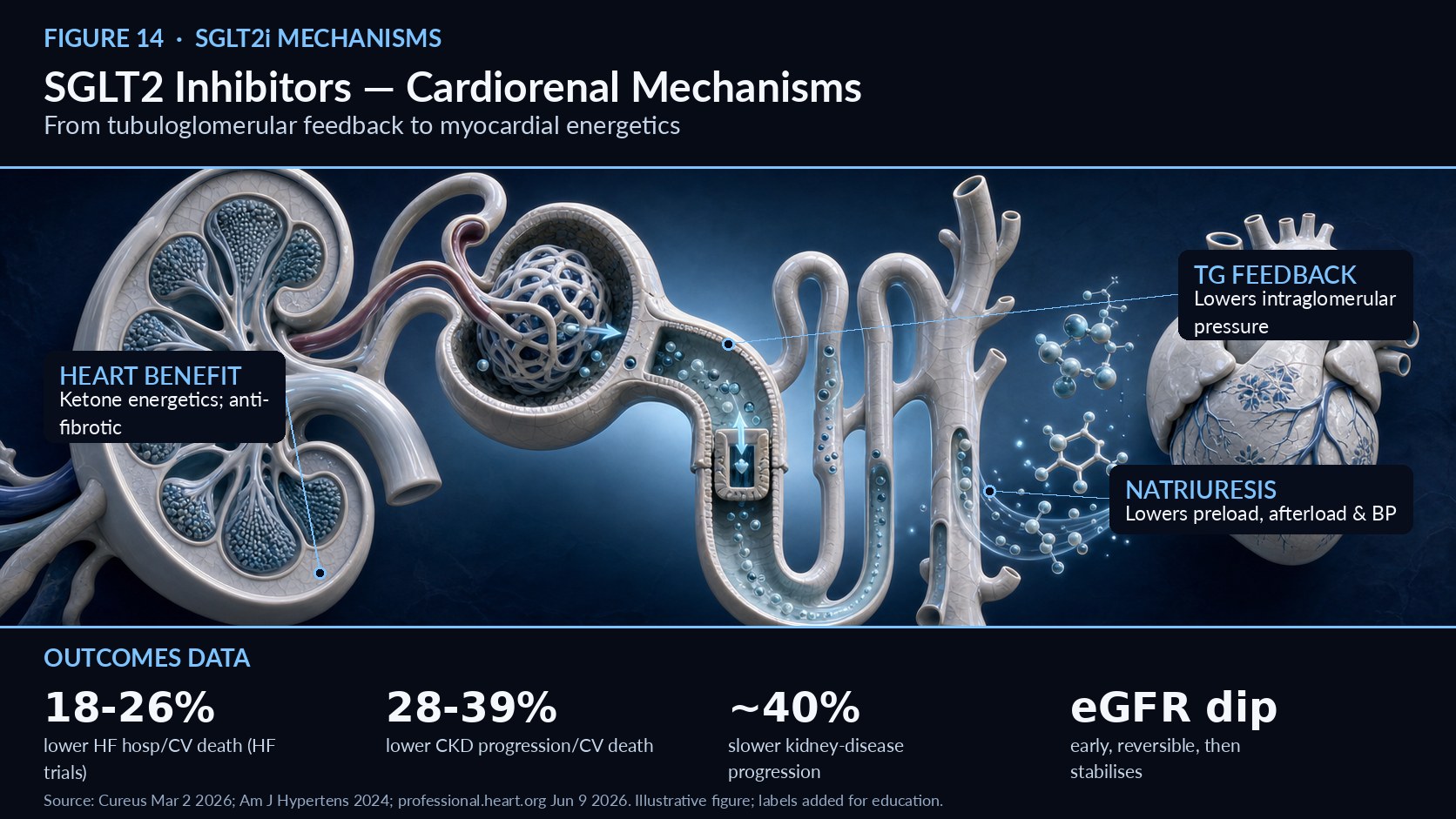
    First developed as oral hypoglycaemic agents, SGLT2 inhibitors have rapidly become foundational in the quest to delay CKD progression. By inhibiting glucose and sodium reabsorption in the proximal tubule, they restore tubuloglomerular feedback, mitigate maladaptive glomerular hyperfiltration, and reduce albuminuria (Cherney & Cooper, 2022; Perkovic et al., 2019). The CREDENCE trial established canagliflozin’s renoprotective benefit in diabetic CKD, showing a 30% risk reduction for ESKD, doubling of serum creatinine, or renal/cardiovascular death among patients already on standard RAS inhibition (Perkovic et al., 2019). 

    Subsequent trials, notably DAPA-CKD, expanded this benefit to non-diabetic CKD, suggesting a class effect that transcends glycaemic modulation (Heerspink et al., 2020). Importantly, SGLT2 inhibitors also appear to confer protection against heart failure and major cardiovascular events—aligning the interests of nephrologists and cardiologists in a single agent. Mechanistically, they reduce inflammation and tubular fibrosis and may enhance erythropoiesis, mitigating anaemia (Cherney & Cooper, 2022). Recent meta-analyses reinforce robust effect sizes for both eGFR preservation and reduction of adverse renal outcomes, even with declining kidney function (Neuen et al., 2021). 

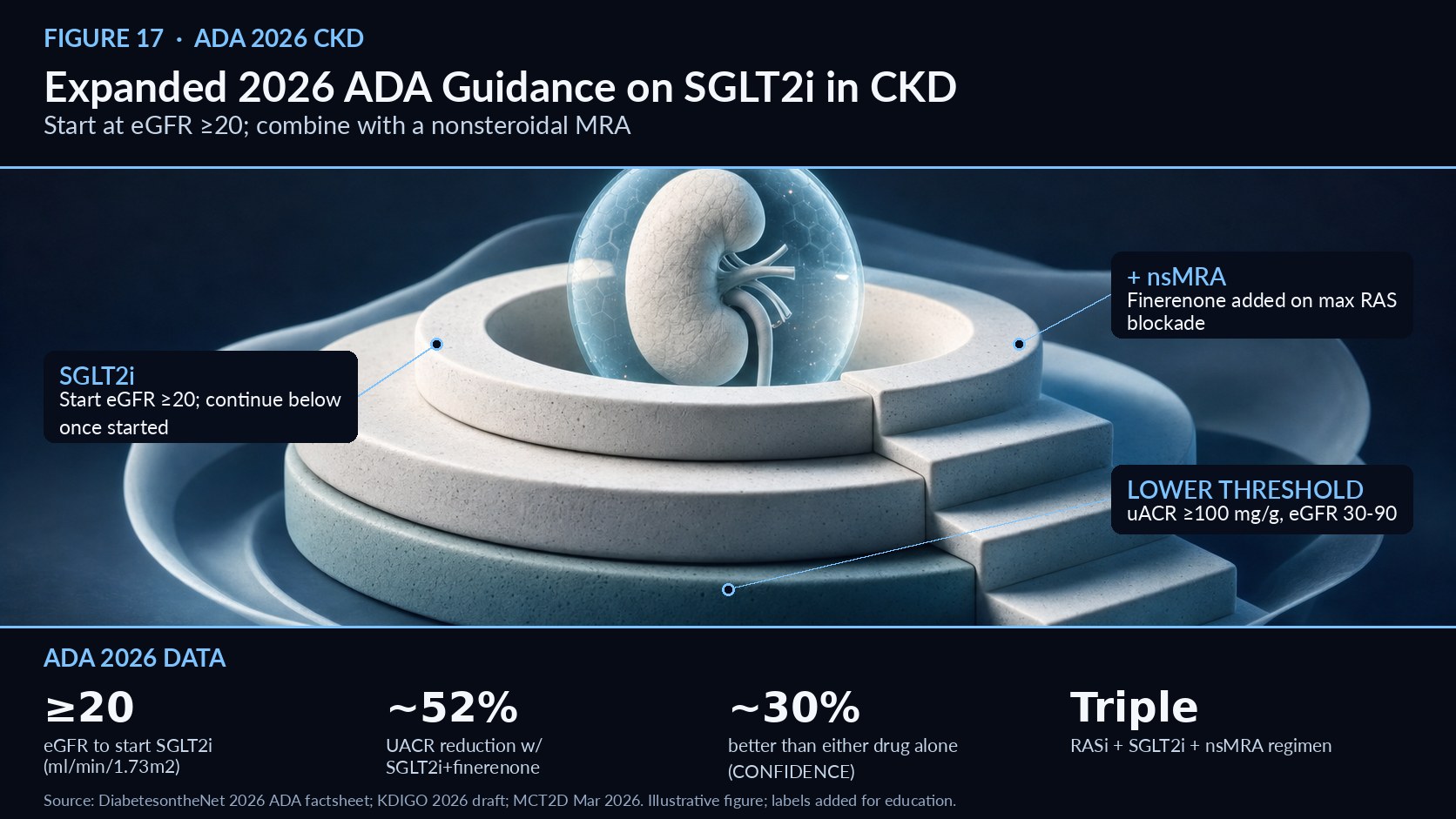
    International guidelines have rapidly incorporated SGLT2 inhibitors as first-line therapy for CKD patients with eGFR above 20–25 mL/min/1.73m². These agents are now recommended in both diabetic and non-diabetic CKD, representing a significant paradigm shift. Ongoing questions focus on their use in advanced CKD (eGFR <20), potential for combination with other Reno protective drugs, and long-term safety in vulnerable populations. 


    Non-Steroidal Mineralocorticoid Receptor Antagonists (nsMRAs)  

    Mineralocorticoid receptor antagonists have long been recognized for their anti-inflammatory, anti-fibrotic properties in the kidney, but traditional steroidal MRAs (e.g., spironolactone, eplerenone) are limited by hyperkalaemia risk, especially in CKD. The advent of finer none, a potent non-steroidal selective MRA, is a transformative advance in diabetic CKD management (Bakris et al., 2020; Pitt et al., 2021). 

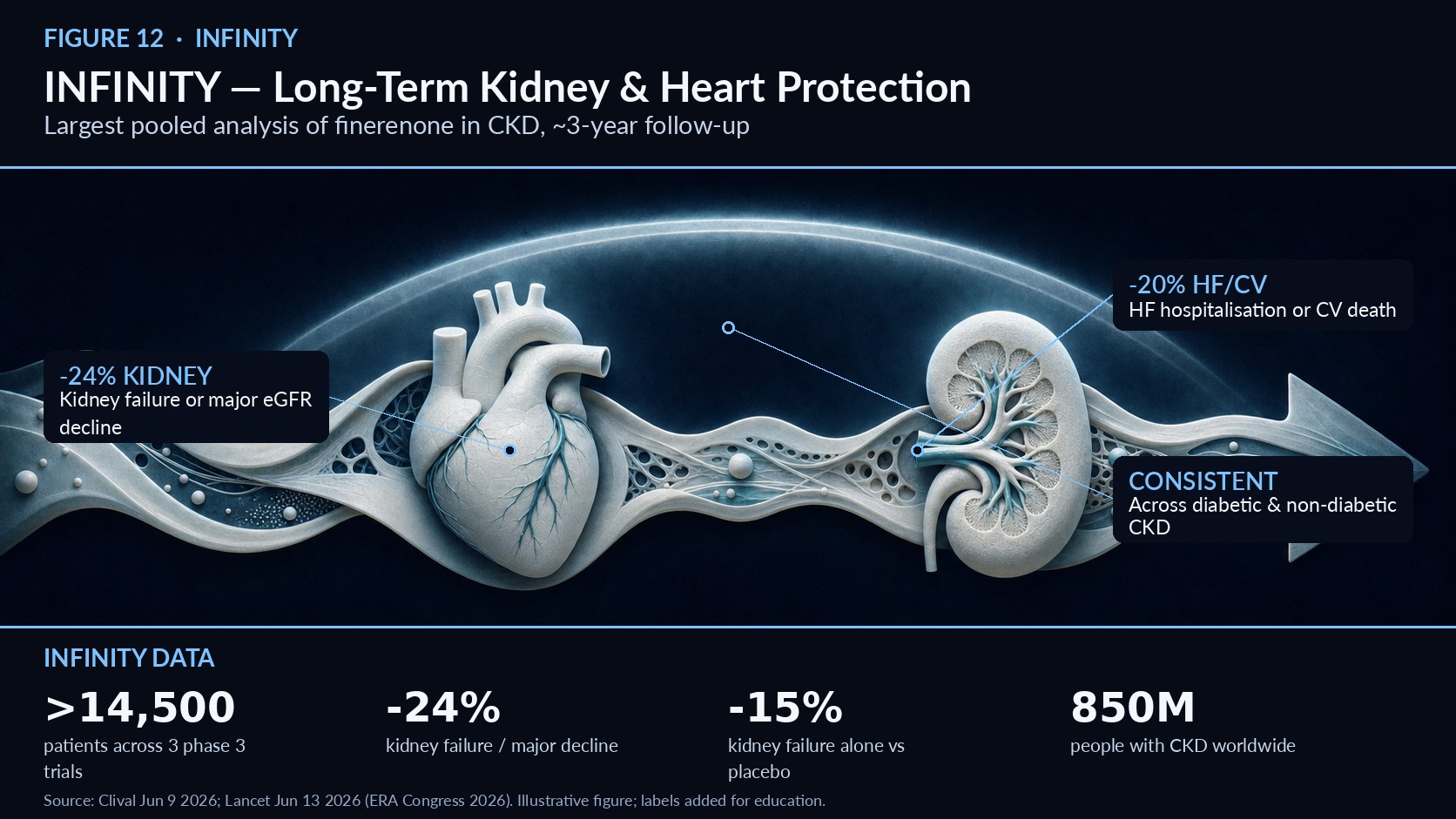
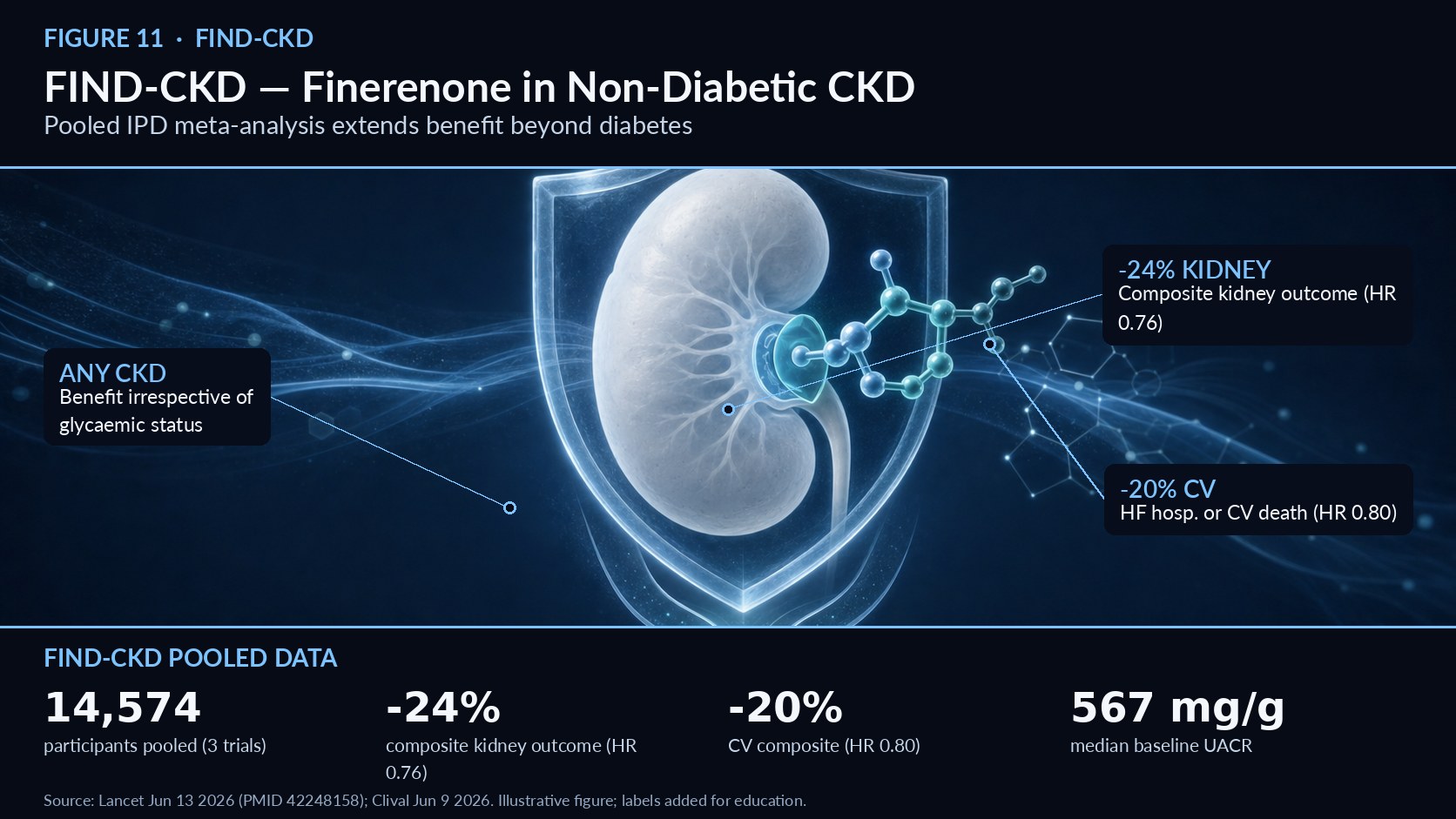
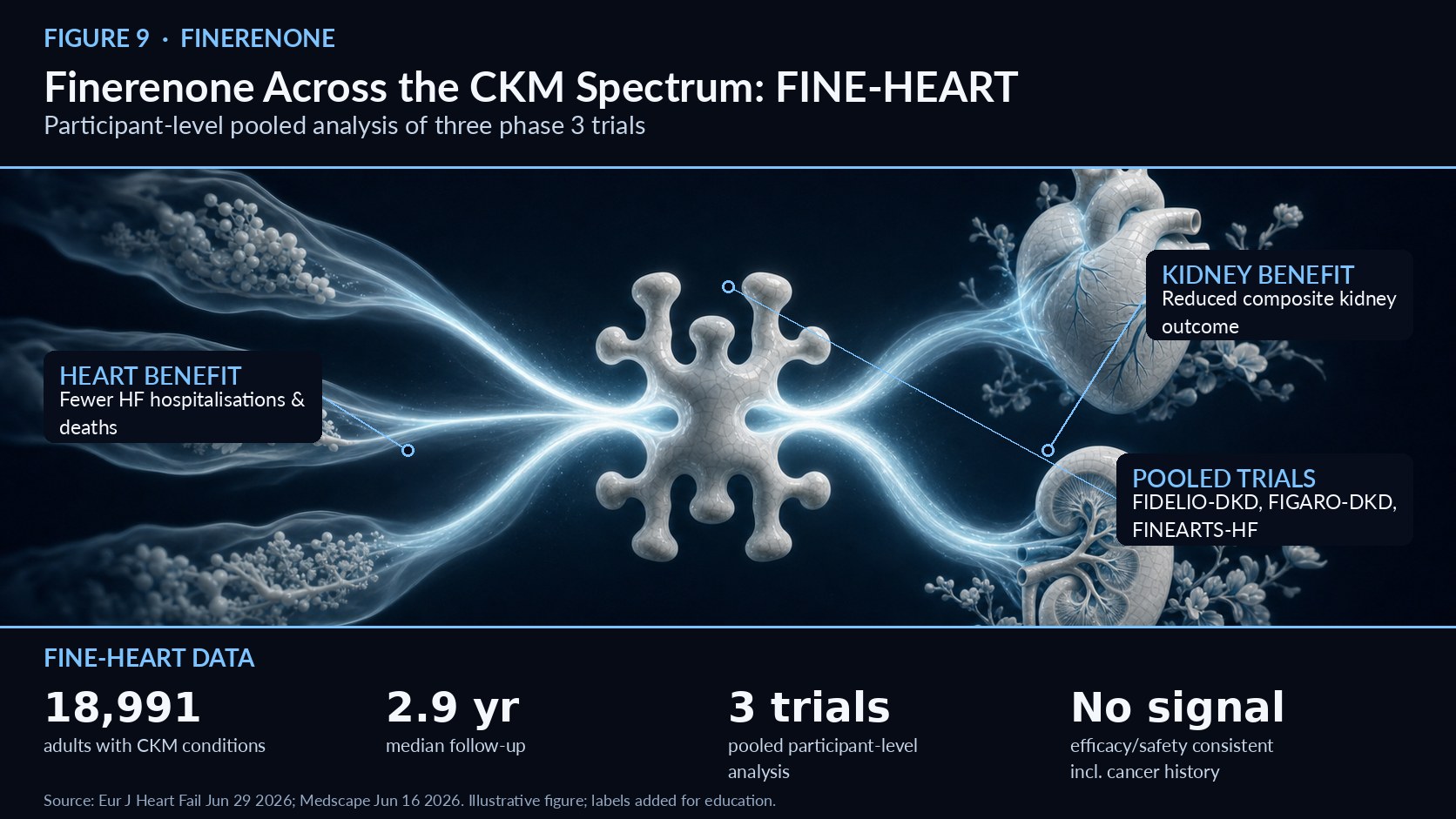
    Two landmark multicentre trials—FIDELIO-DKD and FIGARO-DKD—definitively demonstrated that finerenone significantly lowers the composite risk of CKD progression, kidney failure, and cardiovascular events when added to standard care in type 2 diabetes (Bakris et al., 2020; Pitt et al., 2021). Meta-analyses further support its role as an additive therapy, particularly for high-risk individuals with albuminuria and residual proteinuria on RAS/SGLT2i background (Agarwal et al., 2021). 

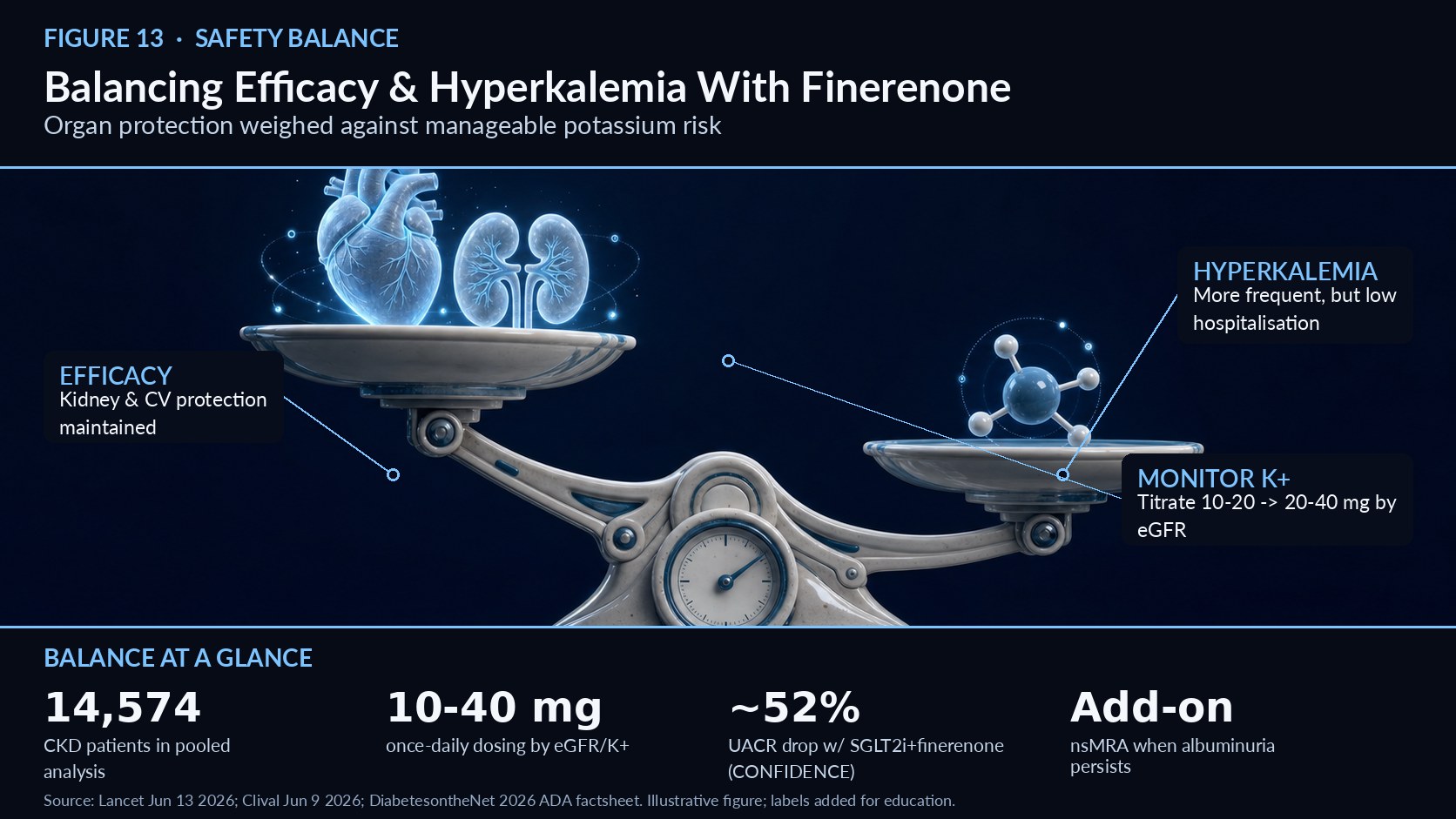
    Finer none works by selectively blocking aldosterone-mediated pro-inflammatory and pro-fibrotic gene transcription, thus reducing proteinuria and eGFR loss, with less impact on serum potassium than older MRAs. Safety data show manageable adverse effects, although mild hyperkalaemia remains more common than placebo. Finerenone’s use is presently established in diabetic kidney disease, with phase III data anticipated for its benefit in broader CKD populations. 

    Integration into routine practice often hinges on sequence after RAS and SGLT2i, availability, and cost. Its efficacy in non-diabetic CKD, benefit of combination with newer drugs, and head-to-head comparisons with other MRAs are topics of ongoing research. 


    Glucagon-Like Peptide-1 Receptor Agonists (GLP-1 RAs)  

    The recognition of type 2 diabetes as a major driver of CKD has naturally highlighted agents that can target hyperglycemia while exerting cardiovascular and renal protection. GLP-1 receptor agonists such as liraglutide and semaglutide, primarily used for glycemic control and weight loss, are now recognized for their kidney-protective potential (Zelniker et al., 2019). 

    Meta-analyses of large cardiovascular outcomes trials, including LEADER and SUSTAIN-6, have shown that GLP-1 RAs reduce macroalbuminuria and slow eGFR decline (Zelniker et al., 2019). While their effect size for hard renal outcomes is less pronounced than SGLT2i, patients with concurrent obesity, established cardiovascular disease, or persistent proteinuria may especially benefit from their adjunctive use (Agarwal et al., 2021). 

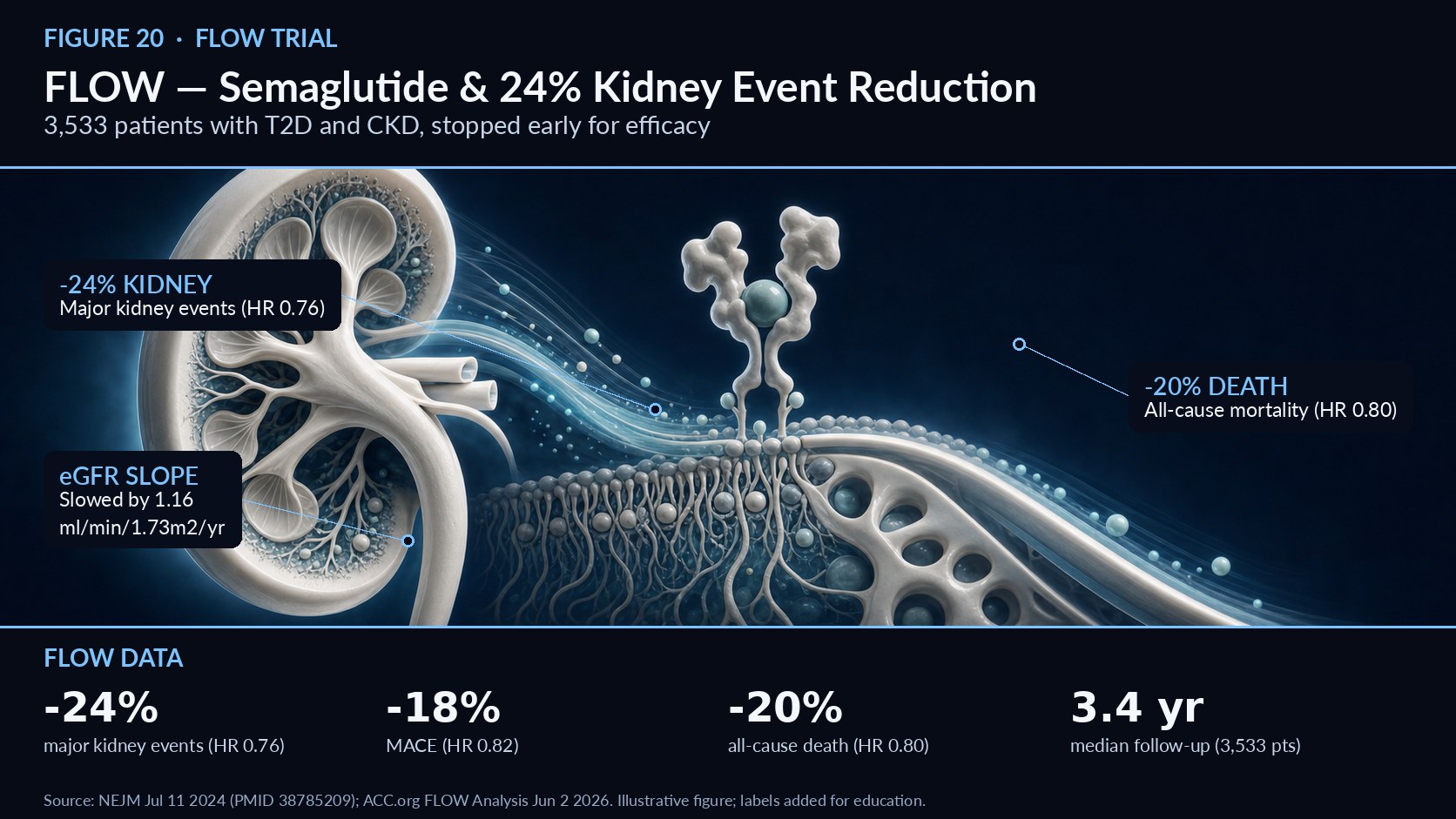
    The FLOW trial, prospectively evaluating semaglutide’s impact on clinically meaningful renal endpoints, will provide further clarification on this drug class’s definitive role (Reusch & Matthaei, 2021). At present, GLP-1 RAs are strongly considered for diabetic CKD patients at cardiovascular risk or requiring additional metabolic benefits. They are well-tolerated, with the added advantage of weight loss and minimal hypoglycemia risk, although gastrointestinal intolerance may limit up-titration in some. Their combination with SGLT2i and nsMRAs represents an area of active clinical research aimed at achieving comprehensive cardiorenal-risk reduction. 


    Endothelin Receptor Antagonists (ERAs)  

    Endothelin-1 is a potent vasoconstrictor and pro-fibrotic peptide implicated in glomerular hypertension, proteinuria, and progressive renal scarring. Endothelin receptor antagonists, particularly those targeting the ETA receptor, aim to mitigate this cycle of injury (D’Agati & Kaskel, 2020). 

    The SONAR trial evaluated atrasentan—a selective ETA receptor antagonist—in type 2 diabetic nephropathy, showing a significant reduction in the composite endpoint of doubling serum creatinine or progression to ESKD (Heerspink et al., 2019). However, adverse effects such as fluid retention, peripheral edema, and potential increase in heart failure hospitalization rates have tempered enthusiasm for broad application. 

    Current research focuses on improved selectivity, dose optimization, and patient selection (e.g., those with persistent proteinuria despite maximal standard therapy but low cardiovascular risk profile). New ERA compounds are in development, seeking enhanced safety while maintaining efficacy. 

    Despite limitations, ERAs may represent valuable adjunctive therapy for a subset of proteinuric CKD patients resistant to other interventions. The translation of these agents into clinical guidelines awaits further large-scale validation. 


    Other Emerging Therapies  

    Building on these advances, several new therapeutic classes are under active investigation. Bardoxolone methyl, an oral Nrf2 pathway activator, was initially promising for improving eGFR in diabetic CKD. However, early termination of the BEACON trial due to cardiovascular toxicity (notably fluid overload and heart failure) curtailed enthusiasm and redirected research towards safer agents (de Zeeuw et al., 2013). 

    Aldosterone synthase inhibitors, designed to more selectively and completely block aldosterone biosynthesis, are being evaluated in phase II/III trials. These may afford more precise regulation of mineralocorticoid activity—balancing efficacy with a reduced risk of hyperkalaemia—though their therapeutic window and long-term data remain to be clarified (Arampatzis & Agharazii, 2022). 

    On the biological therapy front, regenerative and cellular strategies—including stem cell infusions and exosomal therapies—aim to accentuate inherent repair mechanisms within the nephron, improve microvascular function, and delay ESKD (Tögel & Westenfelder, 2016). Although preclinical data are promising, translation to human trials has been slow and remains in early stages. Over the next decade, advances in gene editing, cellular reprogramming, and personalized regenerative medicine platforms may further enhance these frontiers. 


    Recent and Ongoing Clinical Trials (2022–2025)  

    Multiple ongoing global trials continue to shape the evolving landscape of CKD therapeutics. The FLOW trial (NCT03819153) is specifically studying semaglutide, a GLP-1 receptor agonist, to clarify its independent effect on renal outcomes in type 2 diabetes with CKD (Reusch & Matthaei, 2021). Similarly, the EMPA-KIDNEY trial is evaluating the efficacy and safety of empagliflozin in a broad spectrum of CKD patients, including both diabetic and non-diabetic etiologies (Herrington et al., 2022). 

    The ZENITH-CKD study seeks to test novel ERA compounds and combinations for personalized management of proteinuric nephropathies, while several ongoing trials of dual GLP-1/GIP agonists (e.g., tirzepatide) are exploring their multifaceted renoprotective effects in diabetes (Frias et al., 2021). 

    Other studies focus on targeted anti-inflammatory and antifibrotic agents, as well as approaches with small interfering RNAs and antisense oligonucleotides designed to suppress pathologic gene expression. Results from these ongoing investigations will be critical for expanding the KDIGO and international treatment guidelines and may herald the arrival of a new generation of highly targeted, precision renal therapy. 


    Implementation and Precision Medicine  

    Embracing innovation in CKD treatment demands not only therapeutics, but also a paradigm shift in implementation. Precision medicine approaches, integrating pharmacogenomics, proteomics, and electronic health record (EHR) analytics, now allow for refined patient stratification and optimized therapy selection (James et al., 2021). 

    Artificial intelligence and machine learning applications are rapidly improving the prediction of at-risk and rapid progressor subpopulations, guiding earlier intervention (Heerspink & de Zeeuw, 2021; Topol, 2019). Biomarker panels for fibrosis, inflammation, and tubular injury may soon supplement eGFR and albuminuria in identifying the appropriate timing for therapy initiation, therapy intensification, or even switching drugs. 

    Real-world implementation also requires navigating barriers such as drug cost, insurance coverage, patient education, and health system readiness—particularly critical in low- and middle-income settings with disproportionate CKD burden (Jha et al., 2013). Partnership between clinicians, policymakers, patients, and industry is vital to realize the promise of these therapies for all CKD patients. 


    Future Directions and Unmet Needs  

    While the progress in preventing progression to ESKD is undeniable, significant unmet needs persist. The applicability of new therapies to non-diabetic glomerular and hereditary kidney diseases, their efficacy and safety in advanced and pediatric CKD, and the management of polypharmacy in multimorbid patients all warrant dedicated research (Jha et al., 2013). Health systems must also focus on equitable access and culturally adapted implementation strategies to ensure broad benefit. 

    Additionally, the durability of effect, long-term safety, cost-effectiveness, and simplification of treatment regimens remain paramount, as does the need for ongoing post-marketing surveillance to monitor safety signals missed in clinical trials. A future in which early, personalized intervention forestalls the need for dialysis or transplantation for the majority of patients with CKD represents not only a clinical aspiration but also a public health imperative. 


    Conclusion: 

    The last decade has witnessed an unprecedented transformation in the management of chronic kidney disease, with the introduction of highly efficacious and complementary therapies beyond traditional RAS blockade. Sodium-glucose cotransporter 2 inhibitors, non-steroidal MRAs, GLP-1 receptor agonists, and endothelin receptor antagonists have shifted the landscape from static risk reduction to dynamic, multifaceted risk modification. Supported by the evidence from landmark clinical trials and meta-analyses, the paradigm in CKD therapeutics is now one of continuous improvement—offering renewed hope to millions facing or at risk for ESKD (Agarwal et al., 2021; Bakris et al., 2020; Pitt et al., 2021). 

    Each new agent comes with a unique mechanism, efficacy, and safety profile, expanding the clinician’s toolbox for complex and treatment-resistant cases. Particularly promising is the combination of SGLT2 inhibitors and newer MRAs for robust cardio-renal protection. The demonstration that many of these benefits extend to non-diabetic CKD populations, and possibly to advanced kidney disease, marks a universalization of therapy that was previously unthinkable. 

    A parallel revolution is underway in the realms of implementation science, digital health, and precision medicine. Artificial intelligence promises to improve patient identification, risk stratification, and treatment personalization, while also accelerating drug discovery. Genomic, proteomic, and multi-omics platforms are poised to materialize the long-envisioned goal of tailored nephroprotection. 

    Yet, the journey from trial to bedside is incomplete. Unsolved challenges in long-term safety, application in pediatric and advanced CKD, drug-drug interactions, and real-world effectiveness remain. Health system barriers—most notably drug cost and disparities in delivery—will require coordinated policy, clinical advocacy, and international partnership to overcome. Equitable access to effective therapies is a moral and structural imperative. 

    Ultimately, this era has shifted the clinical vision for CKD from the inevitability of ESKD to the possibility of indefinite delay, rationalized treatment, and improved quality of life for a global patient population. With the ongoing pipeline of trials and innovations, and with the support of predictive analytics and pragmatic health system design, nephrology stands on the threshold of a new standard of care—one that focuses on proactive, effective, and just treatment for all. The journey, however, is unfinished: continued innovation, commitment to equity, and a focus on patient-centered outcomes will ensure that the next decade delivers on the promise now visible for all at risk of progressive kidney disease. 


    References: 

    1. Agarwal, R. et al. (2021) ‘New therapies for CKD: SGLT2 inhibitors, nonsteroidal MRAs, and beyond’, New England Journal of Medicine, 385, pp. 753-763. 
    2. Bakris, G.L., Agarwal, R., et al. (2020) ‘Effect of finer none on chronic kidney disease outcomes in type 2 diabetes’, New England Journal of Medicine, 383(23), pp. 2219-2229. 
    3. Brenner, B.M., Cooper, M.E., et al. (2001) ‘Effects of losartan on renal and cardiovascular outcomes in patients with type 2 diabetes and nephropathy’, New England Journal of Medicine, 345(12), pp. 861-869. 
    4. Cherney, D.Z.I. & Cooper, M.E. (2022) ‘SGLT2 inhibitors and kidney protection: mechanisms and clinical implications’, Nature Reviews Nephrology, 18(7), pp. 384-395. 
    5. D’Agati, V.D. & Kaskel, F.J. (2020) ‘Endothelin antagonists for diabetic nephropathy: SONAR and beyond’, Kidney International, 98(1), pp. 45-48. 
    6. de Zeeuw, D. et al. (2013) ‘Bardoxolone methyl in type 2 diabetes and stage 4 chronic kidney disease’, New England Journal of Medicine, 369(26), pp. 2492-2503. 
    7. Heerspink, H.J.L. & de Zeeuw, D. (2021) ‘The kidney: New therapeutic avenues and predictive analytics’, Lancet Diabetes Endocrinol, 9(7), pp. 434-436. 
    8. Heerspink, H.J.L. et al. (2019) ‘Atramental and renal events in patients with type 2 diabetes and chronic kidney disease (SONAR): a double-blind, randomised, placebo-controlled trial’, Lancet, 393(10184), pp. 1937-1947. 
    9. Heerspink, H.J.L. et al. (2020) ‘Dapagliflozin in patients with chronic kidney disease’, New England Journal of Medicine, 383(15), pp. 1436-1446. 
    10. Herrington, W.G. et al. (2022) ‘EMPA-KIDNEY: Design, rationale, and baseline characteristics’, Nephrology Dialysis Transplantation, 37(4), pp. 661-669. 
    11. James, M.T. et al. (2021) ‘Precision medicine approaches to chronic kidney disease’, Kidney International, 99(3), pp. 485-496. 
    12. Jha, V., Garcia-Garcia, G., Iseki, K., et al. (2013) ‘chronic kidney disease: global dimension and perspectives’, Lancet, 382(9888), pp. 260-272. 
    13. Lewis, E.J., Hunsicker, L.G., et al. (1993) ‘The effect of angiotensin-converting–enzyme inhibition on diabetic nephropathy’, New England Journal of Medicine, 329(20), pp. 1456-1462. 


    1. Neuen, B.L., Young, T., et al. (2021) ‘SGLT2 inhibitors for the prevention of kidney failure in patients with type 2 diabetes: a meta-analysis’, Lancet Diabetes Endocrinol, 9(4), pp. 210-222. 
    2. Perkovic, V., Jardine, M.J., et al. (2019) ‘Canagliflozin and renal outcomes in type 2 diabetes and nephropathy’, New England Journal of Medicine, 380(24), pp. 2295-2306. 
    3. Pitt, B., Filippatos, G., et al. (2021) ‘Cardiovascular events with finer none in kidney disease and type 2 diabetes’, New England Journal of Medicine, 385(24), pp. 2252-2263. 
    4. Reusch, J.E.B. & Matthaei, S. (2021) ‘Semaglutide and kidney outcomes: the FLOW trial’, Diabetes Therapy, 12(10), pp. 2345-2349. 
    5. Tögel, F. & Westenfelder, C. (2016) ‘Stem cell therapies for kidney disease’, Journal of the American Society of Nephrology, 27(11), pp. 2941-2949. 
    6. UK Prospective Diabetes Study (UKPDS) Group (1998) ‘Tight blood pressure control and risk of macrovascular and microvascular complications in type 2 diabetes: UKPDS 38’, BMJ, 317(7160), pp. 703-713. 
    7. Zelniker, T.A., Wiviott, S.D., Raz, I., et al. (2019) ‘Cardiovascular and renal outcomes with GLP-1 receptor agonists in patients with type 2 diabetes: a meta-analysis’, Lancet Diabetes Endocrinol, 7(10), pp. 776-785. 


  • Vol. 3 No. 3 (2025)

    Smarter Weight Maintenance: De-escalating GLP-1 Therapy for Lasting Success 
     
     
    Obesity management has undergone a revolutionary transformation with the introduction of glucagon-like peptide-1 receptor agonists (GLP-1 RAs). Agents like semaglutide and liraglutide have demonstrated unprecedented efficacy in inducing weight loss, with many patients achieving and maintaining reductions of 10–20% from their baseline body weight. This has profound implications, not only for body mass but also for improvements in glycemic control, lipid profiles, blood pressure, and cardiovascular risk reduction. Clinicians are now facing new challenges in integrating these therapies into long-term care, particularly regarding maintaining weight loss after the initial intensive treatment phase. 

    The landscape of obesity is complex and chronic; successful weight reduction is only the first phase of a long journey requiring sustainable strategies. Discontinuation or abrupt withdrawal of GLP-1 therapy frequently precipitates weight regain—often quite rapid—due to both biological adaptations and behavioral factors. Consequently, the concept of de-escalation—gradually tapering dose or extending dosing intervals—is evolving as a practical approach for selected patients who have achieved their weight and metabolic goals. 

    De-escalation not only aims to lessen side effects and improve adherence but also addresses financial burdens and reduces medication fatigue, fostering patient acceptance of long-term therapy. For practitioners, the challenge is identifying candidates most suitable for tapering, developing personalized tapering regimens, and integrating ongoing lifestyle, nutritional, and behavioral interventions to secure sustained success. 

    This chapter critically reviews the foundations of GLP-1 therapy, the biological and behavioral challenges of weight maintenance, the rationale and evidence supporting de-escalation strategies, and adjunctive therapies for difficult cases. It further discusses practical clinical guidance and professional recommendations to empower clinicians in delivering personalized, effective obesity maintenance care. 


    Foundations of GLP-1 Therapy 

    GLP-1 receptor agonists harness the incretin hormone glucagon-like peptide-1 to regulate appetite, glucose homeostasis, and energy balance. Through binding to GLP-1 receptors in pancreatic beta cells, they potentiate glucose-dependent insulin secretion and suppress inappropriate glucagon release. In the central nervous system, GLP-1 RAs activate hypothalamic and brainstem centers that enhance satiety, reduce hunger, and delay gastric emptying—effects that synergistically reduce caloric intake. 

    Clinical trials have consistently demonstrated that treatment with GLP-1 receptor agonists leads to robust, dose-dependent weight loss that plateaus around 9 to 16 months of continuous therapy. Trials such as STEP and SUSTAIN have documented mean weight reductions between 10–20%, sustained reductions in HbA1c, improved blood pressure, and lipid profiles, along with cardiovascular benefits in high-risk populations. For many patients, GLP-1 RAs have transformed therapeutic outcomes and quality of life, supplementing lifestyle intervention and complementing or replacing older medications with less multifactorial efficacy. 

    Physiologically, GLP-1 agonism modulates not only central appetite but also peripheral metabolism, enhancing glucose utilization and improving insulin sensitivity. Pharmacokinetically, once-weekly semaglutide or similar agents provide convenient dosing schedules that facilitate adherence. However, side effects, mostly gastrointestinal, can impact tolerability. Long-term therapy also poses cost and access challenges in many settings. 


    The Challenge of Maintaining Weight Loss 

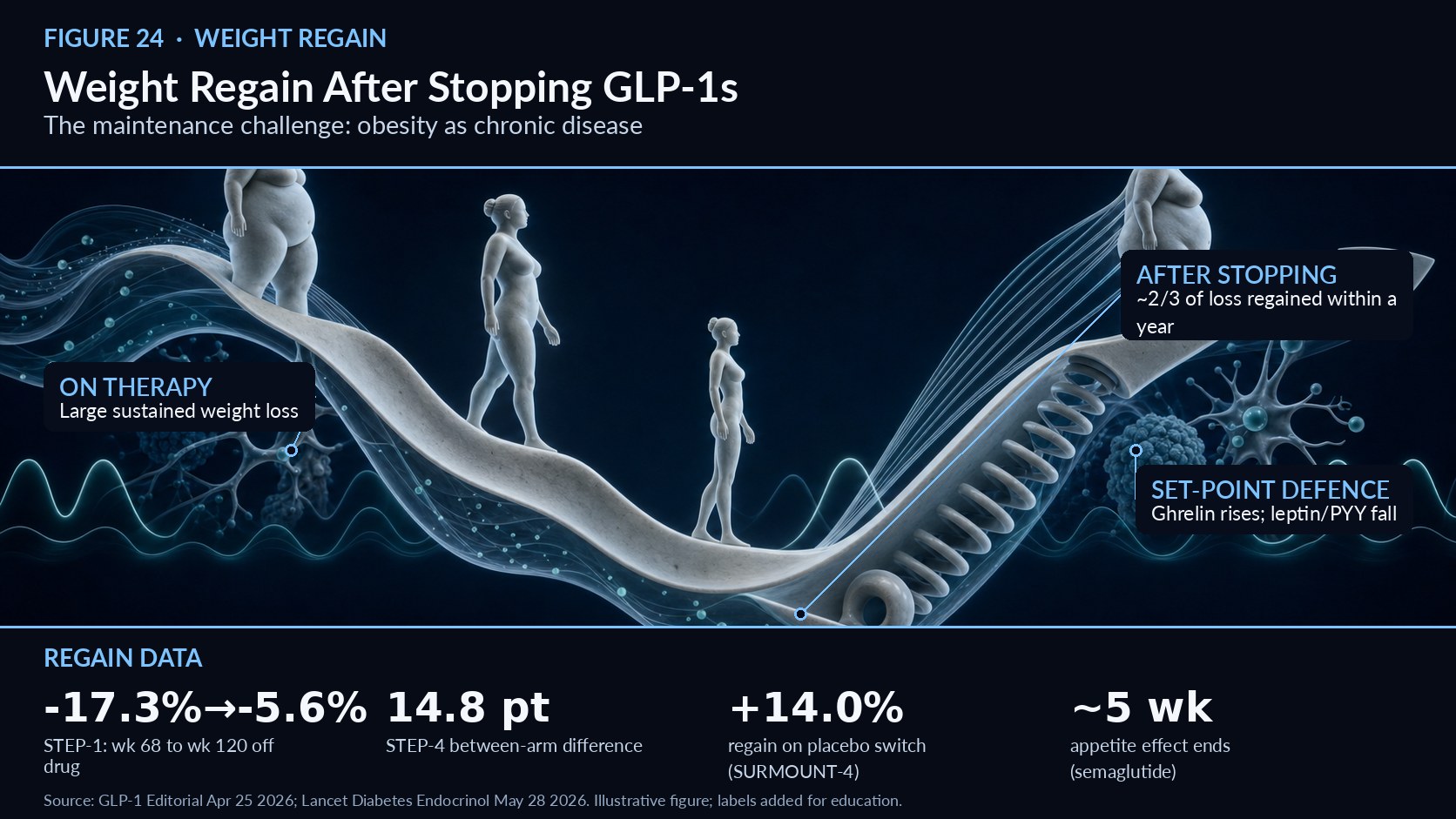
    While GLP-1 receptor agonists induce impressive initial weight loss, weight maintenance remains the Achilles’ heel of obesity treatment. Biologically, weight loss triggers compensatory changes including increased hunger hormone secretion (e.g., ghrelin), reductions in resting metabolic rate, and enhanced efficiency of caloric utilization. Behavioral factors such as decreased motivation for dietary vigilance, psychological stress, and environmental temptation further conspire against sustained weight control. 

    Evidence shows that cessation of GLP-1 therapy often results in gradual or rapid weight regain as these biological and behavioral drivers reassert themselves. Trials have demonstrated that three in four patients relapse if medication is stopped abruptly, negating much of the metabolic benefit accrued during treatment. This indicates that obesity must be managed as a chronic disease with sustained pharmacological and lifestyle interventions rather than a short-term condition. 

    For clinicians, this translates into the imperative to not only achieve weight loss but to establish sustainable maintenance plans. Failure to do so diminishes long-term health benefits and can erode patient confidence and adherence. This has catalyzed growing interest in strategies for tapering or spacing GLP-1 dosing while preserving efficacy, in alignment with patient tolerance, cost considerations, and lifestyle integration. 


    Rationale for De-escalation: The Why and How of Intermittent Dosing 

    De-escalation of GLP-1 therapy is propelled by multiple, interconnected factors. From the patient’s perspective, side effects such as nausea, vomiting, and constipation may become intolerable or diminish quality of life during prolonged high-frequency dosing. Reducing dose frequency or amount can lessen these adverse effects and improve willingness and capacity to continue therapy long term. 

    Economically, the high cost of these drugs limits accessibility and sustainability, particularly in countries with resource constraints or limited insurance coverage. De-escalation reduces medication burden and monthly expenditure without fully compromising the therapeutic gains. Additionally, limited drug supplies tightened during global disruptions mean extending dosing intervals can help ration medication without undermining patient outcomes. 

    Physiologically, patients who have already lost substantial weight and adopted sustainable behavioral modifications may require less intensive pharmacological support to maintain weight loss homeostasis. Intermittent or every-other-week dosing aligns with this concept, providing “just enough” receptor stimulation to suppress hunger and maintain metabolic balance. 

    Collectively, these factors make de-escalation a compelling, patient-centered approach that balances efficacy, tolerability, and affordability. Clinical care models supporting gradual dose adjustments, attentive monitoring, and robust lifestyle support are crucial to realizing these benefits. 


    Evidence for Every-2-Week and Intermittent GLP-1 Dosing 

    Current evidence from real-world cohort studies and pragmatic clinical series increasingly supports the efficacy of less frequent GLP-1 dosing in maintenance phases. Patients who have achieved ≥10% body weight loss and regulated metabolic parameters with weekly GLP-1 RA therapy can, in many cases, maintain their results for 6–12 months or longer when transitioned to every-other-week injection schedules. 

    These cohorts report weight stability in 75–80% of patients, with a minority experiencing early rebound who require return to standard weekly dosing for regained control. Cardiometabolic markers, including HbA1c, blood pressure, and lipid profiles, tend to remain stable in well-supported and adherent patients during de-escalation. Patient satisfaction and adherence also appear to improve when gastrointestinal side effects lessen with reduced exposure. 

    While formal randomized controlled trials are pending, these observational and registry data provide reassuring insights for practitioners seeking to individualize tapering strategies. Notably, rapid discontinuation remains contraindicated in all but carefully selected and monitored patients due to risk of significant relapse. 

    Combining Pharmacological and Lifestyle Maintenance 

    Long-term maintenance is best viewed as a synergy of pharmacology and durable lifestyle modification. Nutritional strategies focusing on high-protein, fiber-rich, and portion-controlled eating patterns reinforce the appetite-suppressive mechanisms of GLP-1 RAs and preserve lean muscle mass necessary to sustain metabolic rate. 

    Physical activity modalities incorporating at least 150 minutes of aerobic exercise per week, along with resistance training to preserve muscle and bone health, complement pharmacologic effects. Exercise also improves insulin sensitivity and counters sarcopenic tendencies sometimes seen with weight loss. 

    Psychological and behavioral interventions form the cornerstone of sustainable success. Group support, clinician-guided cognitive-behavioral therapy, mindfulness training, and digital coaching have all demonstrated benefits in sustaining weight loss and mitigating emotional and habitual triggers of relapse. 

    Regular monitoring with in-clinic or digital tracking of body weight, dietary behaviors, physical activity, and psychological status enables timely intervention before significant weight regain occurs, optimizing the effectiveness of de-escalation strategies. 


    Alternative and Add-On Pharmacological Strategies for Difficult Cases 

    A subset of patients experience suboptimal maintenance or relapse despite lifestyle support and GLP-1 dose reduction. For these individuals, evidence-based pharmacological adjuncts can be considered. 

    Bupropion–naltrexone combination therapy has demonstrated efficacy in supporting weight loss and improving maintenance, particularly in patients with neurobehavioral drivers of food intake. Dopamine agonists like bromocriptine provide metabolic and appetite-regulatory benefits and may be used as adjuncts after GLP-1 initiation for difficult-to-control obesity. 

    Metformin may have utility in patients with residual insulin resistance, metabolic syndrome, or prediabetes states, complementing GLP-1 effects while providing metabolic safety. The choice to add or switch therapies must be individualised based on clinical context, comorbidities, patient preference, and tolerability. 

    Practical Clinical Pearls 

    To maximise success in de-escalation, select patients with sustained weight loss ≥10%, stable metabolic labs, and strong engagement with lifestyle changes. Undertake gradual tapering with incremental extension of dose intervals over several months. 

    Establish monthly weight monitoring with prompts for earlier return to higher dosing when weight gain exceeds 5% over baseline. Utilize digital health tools and mobile apps to foster engagement and self-monitoring. Involve multidisciplinary teams including dietitians, exercise physiologists, and behavioural health providers. 

    Clear patient education about biological relapse risks promotes realistic expectations and persistence. Emphasize that de-escalation is a trial phase and adjustments can be reversed as necessary. 

    Professional Guidelines and Real-World Considerations 

    Professional societies recognize that anti-obesity pharmacotherapy is a long-term intervention, stressing continuation as long as benefits persist. Recent updates endorse dose reduction or extension where clinically appropriate, accompanied by structured lifestyle support. 

    Economic and health system factors increasingly shape implementation. Many payers now support lower frequency maintenance dosing to improve cost-effectiveness. Telemedicine and remote monitoring programs have expanded access and follow-up capabilities. 

    A patient-centred, multidisciplinary, adaptive care framework is the foundation for successful weight maintenance in GLP-1-treated populations. 
     
    Conclusion: 

    The journey through obesity management is no longer a single-phase race focused solely on weight reduction but a lifelong marathon where maintenance is as critical as initiation. The advent of GLP-1 receptor agonists has revolutionized this landscape by providing patients with the tools to achieve clinically meaningful and durable weight loss along with associated metabolic and cardiovascular benefits. However, these medications are not a cure but rather a bridge to sustainable health, and their effective de-escalation marks a pivotal step in transitioning patients from active treatment into long-term maintenance with optimized safety, cost-effectiveness, and patient adherence. 

    De-escalation of GLP-1 therapy—whether by spacing injections to every-other-week intervals, employing intermittent dosing schedules, or tapering doses—represents an evidence-informed strategy to preserve the substantial benefits gained while minimizing side effects such as nausea, vomiting, and injection site discomfort that can erode quality of life and adherence. Clinical experience and emerging observational studies indicate that most patients who maintain structured lifestyle habits and have achieved a weight loss threshold of approximately 10% or more can sustain weight and metabolic improvements even with reduced drug exposure. The concept of “maintenance dosing” thereby denotes a critical balance point: sufficient pharmacological stimulus to support satiety and physiological metabolic control without over-medication. 

    Importantly, despite the promise of de-escalation, this approach requires a thoughtful, individualised, and multidisciplinary framework. The biological underpinnings of weight regain—even when therapy is tapered—remain potent: compensatory hormonal changes increase hunger, metabolic adaptation lowers resting energy expenditure, and psychosocial factors can undermine discipline. Hence, de-escalation must be accompanied by ongoing nutritional guidance emphasizing adequate protein intake, fibre-rich diets to promote fullness, and portion control; tailor-made exercise regimens balancing aerobic cardiovascular activity with resistance training to preserve lean body mass and metabolic rate; and behavioural interventions targeting emotional eating, lifestyle stressors, and relapse prevention. 

    Digital health tools offer an expanding arsenal for monitoring and supporting patients, facilitating early detection of weight regain and fostering real-time communication. These supports, combined with regular clinical assessments and clear patient education about the chronic nature of obesity, are essential for long-term success. Patient empowerment to navigate inevitable challenges with resilience transforms the paradigm from episodic treatment to sustained health stewardship. 

    For a minority who experience early weight regain or metabolic worsening upon de-escalation, adjunct therapies—including bupropion-naltrexone, bromocriptine, and metformin—may be judiciously deployed based on individual clinical profiles. Such combination strategies reflect the multifactorial drivers of obesity and support personalized care. 

    From a systemic perspective, reducing dosing frequency alleviates economic and logistical burdens for patients and healthcare systems alike, enhancing accessibility and sustainability. Clinician familiarity with safe, evidence-based tapering regimens and integration within guideline-based care pathways are imperative as GLP-1 therapies expand in use globally. 

    In summary, de-escalation of GLP-1 therapy embodies the convergence of pharmacological precision, practical clinical wisdom, and lifestyle resilience. It is not merely a dosing adjustment but a holistic strategy that must be interwoven with comprehensive lifestyle modification, psychosocial support, and patient education to preserve weight loss gains and metabolic improvements. This approach promises to optimize long-term outcomes for individuals living with obesity, reducing cardiometabolic risk, improving quality of life, and fulfilling the promise of precision obesity management in the modern therapeutic era. 

    As ongoing research and randomized controlled trials add further clarity, clinicians will be empowered to individualize tapering protocols and supportive interventions with confidence, ushering a new chapter in chronic weight management. The ultimate goal remains enduring—not just achieving weight loss but sustaining health, vitality, and well-being across the lifespan.  
    References: 

    1.     Biermann M. De-escalating GLP-1s to Every-2-Weeks Maintenance Option. Medscape. 2025. 

    2.     Reiss AB. Weight Reduction with GLP-1 Agonists and Paths for Maintenance. PMC. 2025. 

    3.     Ard JD. Weight Loss and Maintenance Related to the Mechanism of GLP-1 RAs. SpringerLink. 2021. 

    4.     Healthy for Life Meals. How to Maintain Weight After a GLP-1 Medication. 2025. 

    5.     Cleveland Clinic. GLP-1 Agonists: What They Are, How They Work & Side Effects. 2025. 

    6.     Intermountain Healthcare. Your Friendly Guide to GLP-1 Weight Loss. 2025. 

    7.     Diabetes Care. Obesity and Weight Management for Prevention and Treatment of Type 2 Diabetes. 2024. 

    8.     The Lancet. Healthy Weight Loss Maintenance with Exercise and GLP-1 Receptor Agonists. 2025. 

    9.     MedCentral. Study Shows GLP-1 Therapy De-escalation Maintains Weight and Metabolic Benefits. 2025. 

    10.  Taylor and Francis. Patient Initiation and Maintenance of GLP-1 RAs for Weight Management. 2021. 


  • Vol. 3 No. 3 (2025)

    Complement Physiology and Tubular Epithelial Cells: Central Paradigms in Diabetic Kidney Disease 

    Diabetic kidney disease (DKD) is now the world’s leading cause of chronic kidney disease and end-stage renal failure, burdening millions with disability and mortality. For decades, clinicians viewed DKD mainly as a glomerular disorder, focusing on filtration barrier breakdown, microalbuminuria, and podocyte loss. While these remain important, the scientific map has expanded in the last decade, revealing that tubular epithelial cells and the innate immune complement system are not only passive bystanders but active drivers—and sometimes even the earliest sensors—of progressive kidney damage in diabetes. The interactions between hyperglycemia, metabolic stress, complement activation, and maladaptive tubular epithelial biology now frame a new paradigm of DKD, one that promises improved biomarker-guided care and novel therapeutic targets.​ 

    This chapter provides a comprehensive synthesis of complement cascade structure and function, tubular epithelial cell physiology, and the sophisticated crosstalk between these elements under diabetic conditions. It integrates latest research on molecular signaling, cellular injury, fibrosis pathways, and clinical biomarker translation, and builds a vision for future kidney-protective strategy that places the tubule-complement axis at the heart of prevention and therapy. 

    The Complement System: Guardian Turned Foe in Diabetes 

    The complement system is a cornerstone of the mammalian innate immune network. Comprising over 30 plasma and membrane-bound proteins, most manufactured by the liver and circulated in zymogen form, it is designed to rapidly sense and eliminate invading pathogens, clear immune complexes, and modulate sterile inflammation. Three major routes classically activate the cascade:​ 

    • The classical pathway, triggered by antigen-antibody complexes. 
    • The lectin pathway, activated by mannose-binding lectin recognizing foreign or altered self-carbohydrates. 
    • The alternative pathway, a self-amplifying branch active at low levels to provide constant immune surveillance, and rapidly upregulated under stress. 

    All converge on C3 convertase, which cleaves C3 into C3a and C3b. C3b tags surfaces for phagocytosis (opsonization), while C3a (an anaphylatoxin) promotes chemotaxis. C5 convertase formation splits C5 into C5a (a potent inflammatory mediator) and C5b, which nucleates the membrane attack complex (MAC, or C5b-9). The MAC forms pores in cell membranes—destroying microbes but also leading to lysis or sub-lethal injury of host cells when regulation fails.​ 

    To avoid bystander injury, a host of soluble (factor H, C1-inhibitor) and membrane-bound (CD46, CD55, CD59) regulators restrain complement activity. Yet diabetes disrupts this regulation, as hyperglycemia and advanced glycation end products (AGEs) alter cell surfaces, augmenting complement deposition and minimizing local protective factors. Glycation of factor H itself, for example, lowers its affinity for endothelium and the tubular epithelium, tipping the balance toward immune-mediated tissue injury.​ 

    Tubular Epithelial Cells: Master Regulators and First Responders 

    Situated downstream of the glomerulus, the kidney’s tubular system processes an immense volume of filtrate—over 180 liters per day in humans. Proximal tubular epithelial cells (PTECs) are metabolically robust, packed with mitochondria to support ATP-intensive ion and solute transport, including reclamation of nearly all filtered glucose, sodium, and essential amino acids. Their physiology is highly adaptive, allowing rapid adjustment to hemodynamic, metabolic, and hormonal cues.​ 

    However, the diabetic milieu creates an environment of sustained “danger signals” for these cells. Chronic hyperglycemia, high filtered glucose, excess albumin and immunoglobulin from leaky glomerular barriers, oxidative and ER stress, and increased sodium delivery continuously challenge PTEC homeostasis. As hyperglycemia persists and filtration barrier function declines, tubular handling of protein and macromolecules is overwhelmed. Albumin, for example, upon endocytosis by PTECs, triggers NF-κB activation, upregulation of pro-inflammatory and pro-fibrotic cytokines (MCP-1, TGF-β, IL-1β), and even the local synthesis of complement components.​ 

    Once regarded only as hapless victims of upstream glomerular injury, modern evidence shows PTECs to be intelligent sensors. They express a variety of pattern recognition receptors (PRRs), secrete cytokines and chemokines, and coordinate crosstalk with immune, endothelial, and neighboring tubular cells. Their role extends further: in diabetes, PTECs display altered epigenetic and transcriptional programs, favoring cell cycle arrest, senescence, and maladaptive repair.​ 
    Hyperglycemia-Driven Injury: The Tubular-Complement Nexus 

    Chronic hyperglycemia is the central conductor in DKD pathogenesis. It fuels a cascade of metabolic disruptions: AGEs accumulate on proteins and cell surfaces; oxidative stress mounts via NADPH oxidase induction and mitochondrial overload; the polyol pathway and protein kinase C (PKC) signaling kick into overdrive, promoting vasoconstriction, ECM expansion, and inflammation.​ 

    In this setting, complement activation is doubly upregulated—by the direct effects of glycation (increasing affinity for complement fragments), by metabolic by-products that directly activate the alternative and lectin pathways, and by filtered immune complexes. Tubular epithelial cells, exposed to high concentrations of both filtered complement proteins and locally synthesized fragments, respond with upregulated expression of C3, C5, and MAC, further enhancing local tissue injury.​ 

    The results are both subtle and devastating. MAC does not always kill cells outright; rather, sub-lytic MAC induces sustained calcium influx, mitochondrial depolarization, and a myriad of transcriptional changes that erode cellular resilience over time. Persistent C3a and C5a signaling triggers monocyte recruitment, amplifies NF-κB-driven cytokine release, and promotes the infiltration of pro-inflammatory and pro-fibrotic macrophages.​ 

    Advanced Cellular Biology: Death, Survival, and Senescence 

    Tubular cells, facing relentless stress, are pushed to their bioenergetic limits. Initially, adaptive responses—enhanced autophagy, metabolic re-routing—stave off death. But under sustained hyperactivity, mitochondrial function declines. The result is a poisonous cocktail of increased ROS, exhausted antioxidant reserves, impaired autophagic flux, and ultimately activation of cell death programs.​ 

    Three intertwined forms of cell demise dominate: 

    • Apoptosis: Programmed cell death with DNA fragmentation, cell shrinkage, and formation of apoptotic bodies. Initiated by oxidative and ER stress, this process is exacerbated by C5a and pro-inflammatory cytokines. 
    • Ferroptosis: A recently recognized, iron-dependent form of cell death marked by catastrophic lipid peroxidation. It is increasingly implicated in DKD, with diabetic tubules showing reduced GPX4 activity and increased lipid ROS.​ 
    • Pyroptosis: Inflammatory programmed death, driven by NLRP3 inflammasome activation, caspase-1, and release of gasdermin D, promoting the violent ejection of cellular contents and perpetuating inflammation locally. 

    Ultimately, repeated sublethal injury and attempted repair result in tubular cell cycle arrest and senescence. Senescent cells produce a “secretome” rich in chemokines, cytokines, and profibrotic mediators (the so-called SASP), recruiting yet more immune cells and fibroblasts and tipping the tissue environment from adaptive to maladaptive regeneration.​ 

    Propagation to Interstitial Fibrosis: The Final Common Pathway 

    The transition from early, potentially reversible injury to irreversible fibrotic change is characterized by the accumulation of extracellular matrix (ECM)—collagen types I, III, IV; fibronectin; and laminin—replacing healthy nephron units. TGF-β/Smad and Wnt/β-catenin signaling, both upregulated by sustained inflammation and complement activity, activate fibroblasts and pericytes while dampening epithelial markers, promoting epithelial-mesenchymal transition (EMT).​ 

    This progression is not isolated. Crosstalk between injured tubules and peritubular capillaries (endothelial cells) amplifies local hypoxia, while cytokine storms recruit additional immune effectors. The result is precipitous nephron loss, microvascular rarefaction, and inexorable GFR decline. 

    Human pathology studies repeatedly show that the extent of tubulointerstitial fibrosis is a stronger predictor of renal outcome than the severity of glomerular changes—a finding now accepted as foundational in nephrology.​ 

    Clinical Biomarkers: From Research to Real World 

    Beyond biopsies, urine-based proteomics now provide windows into live, dynamic kidney injury. Measurement of urinary complement split products (C3a, C5a, sMAC), tubular injury markers (KIM-1, NGAL), and cell cycle arrest proteins (TIMP2-IGFBP7) have demonstrated predictive value for both rapid GFR loss and therapeutic response. Large cohort studies show these profiles outperform traditional markers such as albuminuria and serum creatinine in predicting both early and advanced DKD progression.​ 

    As mass-spectrometry-driven technologies expand, multiplex urine panels combining complement proteins, injury markers, and metabolic by-products promise earlier detection and a clearer window to the tissue-level events at play in DKD.​ 

    Translational Therapeutics: The Future of Kidney Protection 

    A more holistic understanding of DKD biology is fueling the development of innovative therapies. Clinical trials now test complement inhibitors—C5aR antagonists, C3 blockers, and MAC disrupters—in proteinuric and nonproteinuric DKD. Additional approaches target senescence pathways (e.g., small molecules interfering with p53/p21), ferroptosis (GPX4 agonists), autophagic flux (mTOR inhibitors, AMPK activators), and mitochondrial integrity (SS-31, antioxidants).​ 

    SGLT2 inhibitors and non-steroidal mineralocorticoid receptor antagonists (e.g., finerenone) have already established a transformative role in slowing DKD progression—likely due, in part, to their beneficial effects on oxidative stress, tubular workload, and inflammation. Novel GLP-1 receptor agonists and incretin-based agents have shown promise in ameliorating DKD by reducing hyperglycemia, systemic inflammation, and, indirectly, complement overactivation.​ 

    The ultimate frontier is personalized nephrology: monitoring urinary complement and tubular injury markers in real time to select patients most likely to benefit from specific interventions, and adjusting therapy as tissue dynamics evolve over time. 

     
    Conclusion: 

    In the 21st-century landscape of diabetes care, diabetic kidney disease emerges as a nexus of metabolic, immunologic, and structural injury. While glomerular pathology remains its historical signature, a convergence of clinical, experimental, and molecular evidence has firmly established tubular epithelial biology and complement system dysregulation as coequal architects of renal decline. 

    Hyperglycemia, acting through a myriad of metabolic harms—AGE accumulation, ROS overproduction, PKC activation—sets in motion a chain reaction that not only disrupts glomerular perceived inviolability but primes the entire kidney, and particularly the tubulointerstitial compartment, for immune activation and maladaptive remodelling. The complement system, intended for acute defense, becomes a double agent: inadequate regulation and persistent activation expose the kidney's delicate tubular cells to chronic, sublethal injury, propagating cycles of ER stress, autophagy inhibition, and mounting inflammation. 

    Tubular epithelial cells reveal themselves to be both profoundly vulnerable and remarkably capable—sensing damage, amplifying local and systemic inflammatory signals, and, when pushed too far, settling into a state of senescence from which fibrosis and irreversible nephron loss inexorably progress. The crosstalk between complement-mediated injury and these maladaptive tubular responses drives the clinical trajectory of DKD, explaining why aggressive management of proteinuria and blood pressure alone is insufficient for many. 

    The future of DKD intervention is therefore multifaceted. Beyond glycemic and blood pressure control, addressing the tubular-complement axis—by blocking complement activation, enhancing autophagy, suppressing ferroptosis, and reversing senescence—offers tangible hope for altering the inexorable course of DKD. Tissue and urine biomarker panels that reflect real-time tubulointerstitial activity enable earlier detection, refined prognosis, and tailored intervention. 

    Crucially, this new paradigm democratizes care. By turning biomarker research into routine clinical tools and designing therapies that target the root processes of injury—not just their downstream manifestations—clinicians may finally begin to close the morbidity and mortality gap that DKD has left across continents. As the scientific community continues to map this intricate cellular and molecular dance, a new vision emerges: one in which the kidney tubule is neither shadow nor afterthought, but the bright, beating heart of kidney health in diabetes. 

    References: 

    1. Wu, Y., Tang, L., & Zhang, Z. (2025). Diabetic kidney disease: from pathogenesis to multimodal therapy. Frontiers in Medicine, 8, 1631053.  
    2. Liao, X., Zhu, J., & Zhou, N. (2025). Diabetic kidney disease: from pathogenesis to multimodal intervention. PMC, PMC12370670.  
    3. D’Souza S, Muley R, Rich SS. (2022). Pathophysiology of diabetic kidney disease. EMJ Nephrology, 10.33590/emjnephrol/22-00009.  
    4. Zhao L, Li X, Jang H, et al. (2025). Mechanisms of diabetic kidney disease and established and emerging treatments. Nat Rev Endocrinol, 21, 985–1002.  
    5. Han L et al. (2025). Renal microcirculation and mechanisms in diabetic kidney disease. Frontiers in Endocrinology, 16, 1580608.  
    6. Pushpakumar S, et al. (2025). Decoding diabetic kidney disease: a comprehensive review. Helmholtz Munich.  
    7. Uduman J, et al. (2025). Update on the pathophysiology and treatment of DKD. PubMed, 40521811.  
    8. American Diabetes Association. (2024). 11. Chronic Kidney Disease and Risk Management. Diabetes Care, 48(Supplement 1):S239-S247.  


  • Daibzen
    Vol. 3 No. 3 (2025)

  • Beta-Blockers Across the Cardio-Diabetes-Renal Axis: An Engaging, Comprehensive Guide
    Vol. 3 No. 2 (2025)

    Beta-Blockers Across the Cardio-Diabetes-Renal Axis: An Engaging, Comprehensive Guide

    Dr. Ashutosh Mishra, MBBS, MD (Medicine), IMS BHU 

    The Evolving Role of Beta-Blockers in Contemporary Cardiorenal and Metabolic Medicine

    Beta-blockers have long been integral to cardiovascular practice, valued for their ability to reduce heart rate, lower blood pressure, and attenuate myocardial oxygen demand. Traditionally viewed as a homogenous drug class primarily acting on cardiac β1-adrenergic receptors, the narrative surrounding beta-blockers has become substantially more sophisticated. The last two decades have witnessed a nuanced understanding of the diverse mechanisms, molecular variations, and clinical applications of beta-blockers, especially in complex patient populations burdened by diabetes and chronic kidney disease (CKD).

    This complexity arises from heterogeneity in receptor selectivity, vasodilatory properties, central nervous system penetration, and effects on metabolic and inflammatory pathways. Beta-blockers vary in whether they target β1, β2, and even α1 receptors, altering systemic vascular resistance, arterial compliance, and sympathetic tone in ways crucial for organ protection but also impose differing safety and tolerability profiles.

    New evidence highlights that beta-blockers influence central aortic blood pressure—the pressure experienced by key organs such as the brain and heart—more meaningfully than peripheral brachial pressures alone, explaining differences in clinical outcomes among agents. Furthermore, in diabetes and CKD—conditions characterized by heightened sympathetic nervous system activity and metabolic disturbances—the choice of beta-blocker demands precision: some agents exacerbate glucose intolerance and lipid abnormalities, while novel vasodilatory beta-blockers improve insulin sensitivity, arterial health, and inflammation.

    Moreover, beyond hypertension and post-myocardial infarction care, beta-blockers play increasingly recognized roles in modulating renal outcomes, attenuating proteinuria, and potentially slowing diabetic nephropathy progression. The shift from “one beta-blocker fits all” to individualized selection based on molecular pharmacology, comorbidities, and patient phenotype symbolizes an important advance in cardio-nephron-metabolic therapeutics.

    This comprehensive guide explores beta-blocker mechanisms, contemporary clinical evidence, vascular and metabolic effects, and current guideline recommendations. It aims to support clinicians in navigating the art and science of beta-blocker use to optimize outcomes across the interconnected cardio-diabetes-renal patient population.

    Unpacking Beta-Blocker Mechanisms: Old Drug, Nuanced Effects

    Beta-blockers antagonize adrenergic beta receptors, primarily β1 receptors located in cardiac tissue, responsible for increasing heart rate and myocardial contractility when stimulated by catecholamines like norepinephrine. Blockade of β1 receptors thereby slows the heart rate (negative chronotropy), reduces contractility (negative inotropy), and lowers myocardial oxygen consumption—mechanisms underpinning their effectiveness in ischemic heart disease, heart failure, and arrhythmias.

    However, many beta-blockers also variably block β2 receptors found in bronchial smooth muscle, vascular beds, and metabolic tissues, resulting in effects on airway constriction, peripheral vasculature, and glucose metabolism. Beta-blockers range from cardioselective agents (high β1 selectivity) such as bisoprolol and metoprolol to non-selective agents like propranolol and carvedilol that affect β2 and α1 adrenergic receptors, producing vasodilation. Beyond receptor selectivity, some beta-blockers invoke vasodilatory actions through the release of nitric oxide (NO), antagonism of α1 receptors, or antioxidant effects, which improve arterial compliance and reduce afterload, benefiting hypertensive and heart failure patients.

    These pharmacodynamic differences profoundly influence not only blood pressure control but also peripheral and central hemodynamics, sympathetic nervous system activity, metabolic consequences—including insulin sensitivity and lipid profiles—and inflammation. For example, nebivolol’s NO-mediated vasodilation improves endothelial function and may positively affect metabolic parameters, in contrast to older beta-blockers that impair glucose tolerance. Given these diverse mechanisms, beta-blocker choice can optimize benefits and minimize adverse effects tailored to patients with diabetes, kidney disease, or complex comorbidities.

    The Modern Antihypertensive Landscape: Where Beta-Blockers Stand Today

    Blood pressure control is critical to prevent silent vascular injury manifesting as stroke, myocardial infarction, heart failure, and renal decline. Despite their efficacy in lowering brachial blood pressure, older beta-blockers such as atenolol and metoprolol show less effect on central aortic pressure—the pressure load most relevant to myocardial and cerebral perfusion—compared to calcium channel blockers (CCBs), ACE inhibitors, or angiotensin receptor blockers (ARBs). This differential may partly explain why non-vasodilating; non-selective beta-blockers confer inferior stroke protection and overall mortality benefits.

    Conversely, newer vasodilatory beta-blockers like nebivolol, carvedilol, and labetalol reduce central aortic pressure more effectively due to beneficial effects on arterial compliance and wave reflection patterns.

    Recognizing these differences, hypertension treatment guidelines increasingly reserve beta-blockers for specific clinical contexts such as post-myocardial infarction, heart failure with reduced ejection fraction, angina, arrhythmias, or patients with elevated sympathetic tone. For general essential hypertension without compelling indications, calcium channel blockers and RAAS blockers remain first-line due to better stroke and mortality prevention and favourable metabolic profiles.

    Nonetheless, beta-blockers continue to be critical in pregnant patients for hypertension management, where labetalol is commonly used, and in young patients with marked sympathetic activation. 

    The Power of the Sympathetic Nervous System and Beta-Blockade in Renal Disease

    Chronic kidney disease drives heightened sympathetic nervous system activity, mediated by damaged kidneys sending excessive neural signals to the central nervous system. This neurogenic hypertension aggravates left ventricular hypertrophy, accelerates atherosclerosis, promotes arrhythmogenesis, and hastens kidney function decline.

    Beta-blockers that are lipophilic, like carvedilol and nebivolol, penetrate the blood-brain barrier, suppressing this pathological sympathetic overdrive effectively. Early and sustained sympathetic blockade in CKD slows glomerulosclerosis and improves cardiovascular outcomes by reducing systemic vasoconstriction, aldosterone release, and cardiac workload.

    Clinical trials demonstrate that beta-blockers are indispensable adjuncts in comprehensive antihypertensive regimens for diabetic nephropathy, helping disrupt the vicious cycle linking sympathetic hyperactivity, hypertension, and renal-cardiac injury.

    Beta-Blockers: Molecular Variations and Clinical Pearls

    Cardio selective beta-blockers such as bisoprolol, metoprolol, atenolol, and nebivolol preferentially target β1 receptors, reducing cardiac risks while minimizing bronchospasm in patients with reactive airway disease. Nebivolol offers the additional benefit of endothelial NO release, improving vascular tone and offering a better metabolic profile.

    Non-cardioselectivity agents like propranolol, nadolol, carvedilol, and labetalol affect multiple adrenergic receptors and are indicated in portal hypertension, migraine prophylaxis, hypertensive emergencies, and pregnancy. However, their broader receptor blockade increases risks for bronchospasm and worsened metabolic parameters.

    Vasodilatory agents like carvedilol combine β-blockade with α1 antagonism, improving insulin sensitivity and lipid metabolism, while labetalol is highly useful in hypertensive crises and pregnancy.

    Selecting beta-blockers according to clinical context maximizes benefits, minimizes adverse metabolic effects, and ensures better tolerability.

    Beta-Blockers and Diabetes: Implications for Metabolic Health

    Older non-selective beta-blockers blunt sympathetic warning symptoms of hypoglycemia and can worsen glycemic control and lipid profiles, making them less ideal in diabetic hypertensives. In contrast, carvedilol and nebivolol show metabolic neutrality or improvement, with better insulin sensitivity, minimal weight gain, and reduced inflammation, favoring their use in diabetes.

    Proteinuria, Renal Protection, and Inflammation

    While beta-blockers contribute to blood pressure reduction essential for renal preservation, their anti-proteinuria effects are less potent than RAAS inhibitors. However, vasodilatory beta-blockers may provide incremental benefits on albuminuria and reduce microvascular inflammation.

    Combination therapy with ACE inhibitors or ARBs remains the mainstay for slowing CKD progression, with beta-blockers augmenting hemodynamic and cardioprotective effects.

    Combination Therapies: Beta-Blockers with Other Antihypertensives

    Combining beta-blockers with dihydropyridine calcium channel blockers like amlodipine enhances blood pressure control while preserving heart rate and minimizing peripheral edema. Non-dihydropyridine CCBs (verapamil, diltiazem) require careful co-administration due to bradycardia risk.


    Combination with RAAS blockers yields synergistic hemodynamic and vascular protection. Diuretics complement especially in resistant hypertension.

    Integrating beta-blockers with emerging cardiometabolic therapies such as SGLT2 inhibitors and GLP-1 receptor agonists represents the pinnacle of modern cardiorenal metabolic care.

    Beta-Blockers in Practice: Guideline Recommendations and Special Considerations

    Guidelines restrict beta-blockers as first-line agents in hypertension to patients with compelling indications including heart failure with reduced ejection fraction, post-myocardial infarction, angina, symptomatic arrhythmias, and pregnancy. They are specially favoured in patients with elevated sympathetic tone and younger demographics.

    Special populations, such as pregnant patients, benefit from labetalol and metoprolol for safety; cardioselectivity agents are preferred in patients with pulmonary disease; nebivolol is favourable in those with erectile dysfunction.

    Beta-Blocker Therapy Post-Myocardial Infarction and in Heart Failure

    Emerging evidence challenges prolonged beta-blocker therapy after MI in patients with preserved ejection fraction, showing no mortality benefit, although those with reduced EF or ongoing ischemia continue to benefit. In heart failure with reduced EF, carvedilol, bisoprolol, and metoprolol succinate remain anchor therapies with proven mortality reduction. Their utility in heart failure with preserved EF remains uncertain and limited to symptomatic rate control.

    Emerging Research and Future Perspectives

    Vasodilatory beta-blockers show superior central aortic pressure reduction, heralding improved cerebrovascular protection. The role of beta-blockers in modulating sympathetic tone underscores their importance in slowing progression in CKD, especially diabetic nephropathy.

    Combination therapies with calcium channel blockers and RAAS inhibitors offer refined control of vascular and cardiac profiles in complex patients.

    Personalizing beta-blocker therapy remains a nuanced, evolving domain.

    Conclusion

    Beta-blockers have evolved from a broad class of heart rate–lowering drugs to a sophisticated pharmacologic toolkit essential to cardio-diabetes-renal health. The wide range of molecular heterogeneity within beta-blockers—covering receptor selectivity, vasodilatory and metabolic effects—and robust evidence from clinical trials and real-world data inform selective use tailored to individual patient need.

    While no longer first-line for all hypertensives, beta-blockers remain irreplaceable for reducing mortality and morbidity in heart failure with reduced EF, following myocardial infarction, managing arrhythmias, and mitigating sympathetic overactivity in chronic kidney disease and diabetes. Newer vasodilatory agent’s carvedilol and nebivolol provide superior central blood pressure control, improved metabolic profiles, and endothelial function, expanding their utility.

    Integration of beta-blockers with other antihypertensive and cardiometabolic agents, including RAAS blockers, calcium channel blockers, SGLT2 inhibitors, and GLP-1 receptor agonists, forms the core of contemporary comprehensive care.


    Future research on their anti-inflammatory and antioxidant properties may unveil more potent vascular protective mechanisms. Personalized therapy considering patient comorbidities, risk profiles, and tolerability is paramount.

    Ultimately, beta-blockers exemplify precision medicine where mechanistic insight meets individualized clinical care to optimize outcomes across the cardio-diabetes-renal interface.

    References

    1.     Bakris GL. Beta blockers in the management of diabetic kidney disease. Am J Hypertens. 2003;16(7):7S-12S.

    2.     Drygała S, et al. Beta-blockers and metabolic modulation: unravelling the complexity. Front Cardiovasc Med. 2024 Dec 19.

    3.     Tomiyama H, Yamashina A. The current position of β-blockers in hypertension. Expert Opin Pharmacother. 2024;25(9):1025-1036.

    4.     Mahfoud F. The impact of β‐blockers on central systolic blood pressure. J Hum Hypertens. 2022;40(6):1272-1280.

    5.     Farzam K, Jan A. Beta Blockers. StatPearls. 2023 Aug 21.

    6.       Hering D, et al. Sympathetic nervous system in chronic kidney disease. EuroIntervention. 2025 Nov 2.

    7.       Kristensen AMD et al. Beta-blockers after myocardial infarction with normal ejection fraction. N Engl J Med. 2025.

    8.       ESC Society. 2024 ESC Guidelines on hypertension. 2024 Aug 29.


  • Diabzen
    Vol. 3 No. 2 (2025)

    Comprehensive Review: Oral Antidiabetic Agents and Adjunctive Drugs in Diabetes and Peripheral Artery Disease (PAD) 

    Peripheral artery disease (PAD) and diabetes mellitus (DM) frequently coexist, substantially increasing the risk of cardiovascular complications and limb-related adverse outcomes. Epidemiological studies demonstrate that approximately 20–30% of diabetic patients develop PAD, contributing to increased rates of critical limb ischemia, major amputations, and cardiovascular mortality. The complex interplay between hyperglycemia-driven endothelial dysfunction, accelerated atherosclerosis, neuropathy, and microvascular disease exacerbates the progression and severity of PAD in diabetic populations. 

    Modern management paradigms have evolved to emphasize a comprehensive, multifactorial approach targeting glycemic control, lipid management, hypertension, thrombosis prevention, renal protection, and ischemic tissue salvage. Therapeutic regimens must be tailored to balance efficacy, safety, tolerability, and patient-specific considerations, incorporating multidisciplinary care including endocrinology, cardiology, vascular surgery, and podiatry. 

    This review systematically explores the mechanisms of action, clinical efficacy, cardiovascular and limb benefits, and safety profiles of oral antidiabetic agents, including metformin, sulfonylureas, SGLT2 inhibitors, DPP-4 inhibitors, GLP-1 receptor agonists, dual incretin agonists, thiazolidinediones, alpha-glucosidase inhibitors, and insulin secretagogues. Additionally, adjunctive therapies such as statins, PCSK9 inhibitors, antiplatelet/anticoagulants, renoprotective agents, and vascular supportive treatments are examined. The CARABIAZEM framework synthesizes this evidence to guide clinical decision-making in this high-risk population. 
     

    Oral Antidiabetic Agents: Major Classes and Mechanisms 

    Metformin 

    As the cornerstone of type 2 diabetes therapy, metformin primarily reduces hepatic gluconeogenesis and enhances peripheral insulin sensitivity via activation of AMP-activated protein kinase (AMPK). Moreover, it enhances endogenous incretin hormones—glucagon-like peptide-1 (GLP-1) and glucose-dependent insulinotropic polypeptide (GIP)—augmenting insulin secretion and glucose regulation. Metformin further improves endothelial function by promoting nitric oxide (NO) bioavailability, critically relevant in PAD-associated vascular impairment. 

    Clinically, metformin reduces HbA1c by 1 to 1.5%, contributes to modest weight loss or weight neutrality, and carries cardiovascular protective effects demonstrated in multiple large-scale studies. While clinical trials such as PERMATE did not show walking distance improvements in nondiabetic PAD patients, experimental evidence suggests enhanced endothelial responsiveness and microcirculation that may benefit ischemic tissues. 

    Gastrointestinal intolerance (nausea, diarrhea) is common but manageable; rare lactic acidosis occurs in advanced renal or hepatic insufficiency. Long-term use requires monitoring for vitamin B12 deficiency. 

    Sulfonylureas 

    Sulfonylureas stimulate pancreatic β-cell insulin secretion via closure of ATP-sensitive potassium channels. Their HbA1c reduction efficacy typically ranges from 1 to 1.5%. However, they induce weight gain and bear a significant hypoglycemia risk, limiting their use, especially in elderly or obese patients. 

    Evidence on cardiovascular safety is mixed, with older agents showing possible harm, while newer sulfonylureas appear safer but without cardiovascular or limb event benefit. They have little direct influence on PAD progression and are primarily reserved for combination therapy in select patients. 

    SGLT2 Inhibitors 

    Sodium-glucose cotransporter-2 inhibitors act by inhibiting glucose reabsorption in the proximal renal tubules, promoting glycosuria, and modest diuresis. These agents reduce HbA1c by approximately 0.5 to 1%, induce weight loss, and lower blood pressure. 

    Cardiovascular outcome trials revealed significant reductions in heart failure hospitalization and cardiovascular death among diabetics. However, canagliflozin was associated with increased lower-limb amputation in the CANVAS study, particularly in patients with pre-existing PAD or neuropathy. Empagliflozin and dapagliflozin have not consistently demonstrated such a risk but clinical caution is advised. Adverse effects include genital fungal infections and rare cases of diabetic ketoacidosis. 

    DPP-4 Inhibitors 

    Dipeptidyl peptidase-4 inhibitors prolong the half-life of endogenous incretins, enhancing glucose-dependent insulin secretion and suppressing glucagon release. These agents lower HbA1c by 0.7 to 1% without increasing hypoglycemia or body weight. 

     
    Cardiovascular outcome trials consistently show cardiovascular safety but no significant benefit in major cardiovascular or limb outcomes. Their role is primarily as adjunctive therapy to improve glycemia. 
     

    GLP-1 Receptor Agonists and Dual Incretin Agonists 

    GLP-1 receptor agonists, including semaglutide and liraglutide, enhance insulin secretion, inhibit glucagon, delay gastric emptying, and reduce appetite. These effects produce HbA1c reductions of 1.5 to 2%, significant weight loss, and substantial cardiovascular risk reductions, including stroke and limb events in diabetic PAD. 

    Dual agonists such as tirzepatide target both GIP and GLP-1 receptors, providing superior glycemic and weight loss outcomes. Their cardiovascular safety and efficacy are promising, but direct comparative long-term CVOT data are pending. 
     
    Thiazolidinediones 

    These PPAR-γ agonists improve insulin sensitivity and reduce HbA1c moderately but cause weight gain, fluid retention, risk of heart failure exacerbation, and increase fracture risk, limiting their use in PAD patients. 

    Alpha-Glucosidase Inhibitors 

    By inhibiting carbohydrate breakdown in the intestine, alpha-glucosidase inhibitors blunt postprandial glucose rise modestly, limited by gastrointestinal side effects. 

    Meglitinides 

    Meglitinides provide short-acting insulin secretagogue effects, controlling postprandial hyperglycaemia, useful in patients with irregular meals. 

    Adjunctive Pharmacotherapy in PAD and Diabetes Statins 

    Statins effectively lower LDL cholesterol and reduce cardiovascular and limb events in diabetes and PAD, recommended as standard therapy regardless of baseline LDL levels. High-potency agents such as atorvastatin and rosuvastatin have shown the greatest benefit in reducing plaque progression and ischemic events. 

    PCSK9 Inhibitors 

    PCSK9 monoclonal antibodies, alirocumab and evolocumab, dramatically decrease LDL cholesterol and lipoprotein(a), variables linked with residual cardiovascular risk. Data from FOURIER and ODYSSEY OUTCOMES trials confirm reductions in cardiovascular and limb events in PAD populations with excellent tolerability. 

    Antiplatelet Therapy 

    Aspirin or clopidogrel as monotherapy are recommended in PAD for secondary prevention. Dual antiplatelet therapy following revascularization improves surgical and endovascular outcomes but increases bleeding risk and should be time-limited. 

    Anticoagulants 

    Low-dose rivaroxaban plus aspirin, per the COMPASS study, provides superior protection against MACE and limb events in high-risk PAD with diabetes, balanced against an increased bleeding risk, mandating patient selection. 

    Reno Protective Agents 

    ACE inhibitors or ARBs improve renal outcomes and reduce cardiovascular risk, recommended for patients with diabetes and PAD with hypertension or albuminuria. Mineralocorticoid receptor antagonists such as finerenone further slow the progression of diabetic kidney disease and contribute to cardiovascular protection. 

    Blood Pressure Management 

    The therapeutic target for blood pressure is typically less than 130/80 mmHg, individualized by patient factors. Preferred agents include ACE inhibitors, ARBs, calcium channel blockers, and thiazide diuretics. 

    Nitric Oxide Donors and Vascular Support 

    Nitric oxide donors improve endothelial function, vasodilation, and angiogenesis. Agents such as L-arginine and newer hybrid molecules have demonstrated improved microcirculation and could aid tissue perfusion in ischemic limbs, including diabetic foot ulcers. Studies remain preliminary but represent promising adjuncts for limb salvage. 

    Comprehensive Management and Guidelines 

    Effective PAD and diabetes management requires integration of pharmacological therapy with lifestyle modification and multidisciplinary care. Early initiation of agents with cardiovascular benefit such as GLP-1 receptor agonists and SGLT2 inhibitors is advocated by major societies. Regular podiatric assessment, smoking cessation, glycemic control, and blood pressure optimization are pillars of prevention and care. 

     Practical Clinical Pearls 

    • Individualize therapies considering comorbidities, risk of hypoglycemia, and tolerability. 
    • Avoid hypoglycemia in elderly and frail patients by tailoring glycemic targets. 
    • Use antiplatelet and anticoagulant combinations judiciously, balancing ischemic and bleeding risks. 
    • Combine statin and PCSK9 inhibitors in high-risk PAD with resistant hyperlipidemia. 
    • Consider vascular supportive agents as adjuncts while pursuing revascularization and meticulous wound care. 

     
    Conclusion: 

    The co-occurrence of diabetes mellitus and peripheral artery disease presents a complex therapeutic challenge, demanding a holistic, multifactorial management approach tailored to reduce cardiovascular and limb complications. Diabetes substantially increases the prevalence, severity, and adverse outcomes of PAD, including critical limb ischemia and major amputations, underscoring the urgency of optimizing pharmacologic and lifestyle interventions. 

    Oral antidiabetic agents form the backbone of glycaemic management, but their vascular effects vary widely. Metformin, recognized for its robust safety profile and cardioprotective effects, remains first-line therapy. Sulfonylureas continue to have limited utility due to hypoglycaemia and uncertain cardiovascular safety. The emergence of SGLT2 inhibitors and GLP-1 receptor agonists has revolutionized care by incorporating cardiovascular and renal protective benefits, with evidence for limb outcome improvements particularly for GLP-1 receptor agonists like semaglutide. 

    Adjunctive cardiovascular therapies—high-intensity statins, PCSK9 inhibitors, antiplatelets such as aspirin or clopidogrel, and selective anticoagulation with agents like low-dose rivaroxaban—complement glycaemic management by mitigating atherosclerosis and thrombotic risk. Blood pressure control and Reno protective agents (ACE inhibitors, ARBs, mineralocorticoid receptor antagonists) form essential components of comprehensive vascular protection. 

    Nitric oxide donors and vascular supportive therapies represent promising adjuncts to improve microcirculation and enhance ischemic tissue viability, particularly in diabetic foot management, though further evidence is awaited to clarify clinical roles. 

    Clinical outcomes hinge on integrated, multidisciplinary strategies emphasizing glycemic optimization, cardiovascular risk reduction, limb surveillance, lifestyle modification, and judicious use of pharmacotherapy. Early initiation of agents with proven cardiovascular benefit, especially in high-risk patients with PAD and diabetes, is imperative. Patient-centered care models incorporating individualized risk assessment, adherence promotion, and health equity considerations are indispensable. 

    In summary, the management of diabetes complicated by PAD requires a nuanced, evidence-driven approach leveraging advances in oral antidiabetic therapies, lipid-lowering, and antithrombotic agents — embodied in the CARABIAZEM framework. As research continues to elucidate mechanistic insights and novel treatments emerge, the opportunity to improve both limb salvage and cardiovascular mortality in this vulnerable population grows. Clinicians must maintain vigilance, remain up to date with evolving guidelines, and employ comprehensive, multidisciplinary care to effectively combat the intertwined epidemics of diabetes and peripheral artery disease. 
     References: 

    • McDermott MM, Domanchuk KJ, Tian L, et al. Metformin to improve walking performance in lower extremity peripheral artery disease: the PERMET randomized clinical trial. JAMA. 2025;324(15):1545–1556.   
    • Brown JM, Banerjee D. Cardioprotective diabetes drugs: what cardiologists need to know. Eur Heart J. 2019;40(19):1441–1450.   
    • Zinman B, Wanner C, Lachin JM, et al. Empagliflozin, cardiovascular outcomes, and mortality in type 2 diabetes. N Engl J Med. 2015;373(22):2117–2128.   
    • Sabatine MS, Giugliano RP, Keech AC, et al. Evolocumab and clinical outcomes in patients with cardiovascular disease. N Engl J Med. 2017;376(18):1713–1722.   
    • Hiatt WR, Fowkes FGR, Heizer G, et al. Ticagrelor versus clopidogrel in symptomatic peripheral artery disease. N Engl J Med. 2019;381(2):177–186.   
    • Mohyeldin M, Hassan M, Yaseen E, et al. Proprotein convertase subtilisin/kexin type 9 inhibitors in peripheral artery disease: efficacy, safety, and clinical outcomes. Cardiovasc Diabetol. 2024;23(7):112–129.   
    • International Working Group on the Diabetic Foot. Guidelines on diagnosis, prognosis, and management of peripheral artery disease in patients with foot ulcers and diabetes. 2020.   
    • American Diabetes Association. Standards of Medical Care in Diabetes—2025. Diabetes Care. 2025;48(Suppl 1):S1–S134.   
    • Brownrigg J, Tarka E, Li Q, et al. Association between SGLT2 inhibitors and lower limb outcomes in type 2 diabetes: a systematic review and meta-analysis. Diabetes Care. 2023;46(2):e17–e19.  
    • Jastreboff AM, et al. Tirzepatide and the 10-year predicted risk of cardiovascular disease: population analysis. Diabetes Obes Metab. 2025;27(4):875-883.  
  • Diabzen
    Vol. 3 No. 2 (2025)

    Battle of the Incretins: Do Tirzepatide and Semaglutide Change the Cardiovascular Game in Diabetes and Obesity? 
     
    Dr. Ashutosh Mishra  
    MBBS, MD (Medicine), IMS BHU  
    Fellowship in Diabetes (DFID), CMC Vellore  

    DMSc (Endocrinology), University of South Wales, UK  
    Consultant Endocrinologist, Panacea Hospital 
     
    A Paradigm Shift in Diabetes and Obesity Management 

    The treatment landscape for type 2 diabetes and obesity has undergone a remarkable transformation over the past decade, driven largely by advances in incretin-based therapeutics. Among these, GLP-1 receptor agonists such as semaglutide and the novel dual GIP/GLP-1 receptor agonist tirzepatide have emerged as potent agents not only for glucose lowering but also for weight reduction and cardiovascular risk mitigation. These pharmacologic advances represent a paradigm shift from traditional glucose-centric management toward multifaceted cardiometabolic care. 

    Cardiovascular disease (CVD) is the leading cause of mortality in individuals with diabetes and obesity. In response, regulatory agencies have mandated cardiovascular outcome trials (CVOTs) as a requirement for approval of new glucose-lowering drugs. Semaglutide and tirzepatide have both demonstrated favorable outcomes in reducing major adverse cardiovascular events (MACE) in high-risk populations. However, direct comparative data on their cardiovascular benefit have been lacking, leaving practicing clinicians to rely on indirect and sometimes conflicting evidence to guide treatment choices. 

    Recent real-world data and sophisticated trial emulation studies have begun filling this critical gap by simulating head-to-head comparisons in broad patient populations approaching everyday clinical practice. This review distills this emerging evidence base, clarifies the comparative cardiovascular effects of tirzepatide and semaglutide, and synthesizes mechanistic insights that help explain their clinical profiles. By focusing on cardiovascular risk reduction, weight management, safety, and practical treatment implications, this evaluation aims to inform personalized therapy decisions and optimize outcomes for patients facing the dual burdens of diabetes and obesity.​ 
     
    Why Cardiovascular Benefit Matters: Beyond Glycaemic Control 

    Cardiovascular complications remain the primary cause of death and disability in patients with type 2 diabetes and obesity. Traditionally, glycaemic control was regarded as paramount. However, epidemiological and clinical research has steadily demonstrated that glucose lowering alone does not fully address the heightened cardiovascular risk inherent in these populations. Consequently, cardiovascular risk reduction has become an explicit therapeutic goal in diabetes management guidelines worldwide. 

    GLP-1 receptor agonists initially gained prominence for their powerful glucose-lowering effects, but their cardioprotective properties have elevated their status to that of essential cardiovascular medicines. Semaglutide was among the first therapies to demonstrate significant reductions in MACE, including myocardial infarction, stroke, and cardiovascular death, in dedicated outcome trials such as the SUSTAIN-6. Tirzepatide, a newer agent acting on both GIP and GLP-1 receptors, has not only surpassed expectations in glycaemic efficacy and weight loss but has also shown promising cardiovascular benefit in the SURPASS-CVOT trial when compared with dulaglutide, another GLP-1 agonist. 

    The dual focus on cardiovascular outcomes and metabolic control addresses the complex pathophysiology of diabetes and obesity-related cardiovascular disease. Weight loss, improvement in insulin sensitivity, lipid profile optimization, and anti-inflammatory effects all contribute to the cardiovascular protection offered by these agents. Understanding and quantifying the comparative cardiovascular benefits of these drugs is vital for clinicians aiming to individualize treatment—minimizing cardiovascular risk while enhancing quality of life and long-term metabolic health.​ 
     
    The Anatomy of Real-World Comparison: Filling the Evidence Gap 

    While randomized controlled trials (RCTs) remain the gold standard for evaluating drug efficacy, direct head-to-head trials between tirzepatide and semaglutide for cardiovascular outcomes are still pending. This leaves an evidence gap importantly filled in part by real-world evidence (RWE) studies and trial emulation methodologies. 

    Real-world data leverage large administrative databases, insurance claims, and electronic health records reflecting the heterogeneous populations encountered in clinical practice—including patients often excluded from classical RCTs due to age, comorbidities, or polypharmacy. Advanced statistical techniques such as propensity score matching and instrumental variable analysis further enhance the credibility of these analyses by simulating randomized conditions. 

    Emulation of landmark trials such as SUSTAIN-6 and SURPASS-CVOT within RWE platforms involves replicating trial inclusion criteria, endpoints, and follow-up times to assess how these therapies perform in routine care. Such studies enable practical comparisons—evaluating major adverse cardiovascular events, mortality, and hospitalization outcomes in real populations. 

    Recent analyses have found semaglutide to reduce the risk of myocardial infarction and stroke by approximately 18% compared to sitagliptin. Tirzepatide showed a trend toward similar risk reduction versus dulaglutide, with hazard ratios approximating parity when directly compared in RWE settings. These findings dovetail with trial data while expanding generalizability. However, limitations including residual confounding and incomplete clinical detail in claims data necessitate cautious interpretation, underscoring the need for ongoing direct RCT comparisons.​ 

     
    Reviewing Landmark Trials: SUSTAIN-6 and SURPASS-CVOT in Context 

    The SUSTAIN-6 trial was a pivotal cardiovascular outcome trial evaluating subcutaneous semaglutide versus placebo in patients with type 2 diabetes and established cardiovascular disease or high cardiovascular risk. The trial showed that semaglutide significantly reduced the composite primary endpoint of major adverse cardiovascular events (nonfatal myocardial infarction, nonfatal stroke, or cardiovascular death) with a hazard ratio of approximately 0.74, confirming GLP-1 receptor agonists' cardiovascular benefit. 

    SURPASS-CVOT evaluated tirzepatide compared to dulaglutide (a GLP-1 receptor agonist) focusing on MACE in patients with type 2 diabetes and high cardiovascular risk. Although the SURPASS trial was primarily powered for glycemic and weight outcomes, the cardiovascular analyses suggested non-inferiority but did not conclusively demonstrate superiority, with hazard ratios close to 1 for MACE outcomes. 

    These trials established the cardiometabolic efficacy of both drugs in their respective populations. However, variations in comparator arms, patient characteristics, and endpoint definitions complicate direct comparisons. Real-world emulation studies applying consistent criteria to broader populations now offer complementary insights and allow evaluation of drug performance in real practice outside the clinical trial environment.​ 


    Summary of Recent Evidence: Real-World Impact of Tirzepatide and Semaglutide 

    New real-world studies analyzing US insurance claims data from 2018–2025 strategically compared semaglutide to sitagliptin and tirzepatide to dulaglutide using propensity score matching and rigorous controls. Cardiovascular endpoints included hospitalization for myocardial infarction, stroke, and all-cause mortality. 

    Key findings demonstrated: 

    • Semaglutide reduced combined MI and stroke risk by 18% compared to sitagliptin (hazard ratio [HR], 0.82). 
    • Tirzepatide showed a trend toward reduced all-cause mortality or major cardiovascular events versus dulaglutide (HR 0.87), though without statistical significance in some analyses. 
    • Direct comparison between tirzepatide and semaglutide revealed no significant difference in cardiovascular outcomes (HR 1.06). 

    Subgroup analyses suggested nuanced differences. Populations with established cardiovascular disease and obesity showed potential superiority of semaglutide for MACE reduction, whereas more heterogeneous cohorts sometimes favoured tirzepatide in metabolic parameters. Safety profiles were comparable, with gastrointestinal side effects predominant but manageable. 

    These studies support the inclusion of both agents as integral to cardiovascular risk management in diabetes and obesity, endorsing their use within guideline-based frameworks. They highlight the importance of individualizing therapy based on patient comorbidities, weight loss needs, tolerability, and preferences.​ 
     
    Mechanistic Overview: Dual vs. Selective Incretin Agonism 

    The distinct pharmacologic mechanisms of tirzepatide and semaglutide underpin their clinical effects. Tirzepatide, a dual glucose-dependent insulinotropic polypeptide (GIP) and GLP-1 receptor agonist, amplifies incretin signalling pathways, resulting in enhanced insulin secretion, reduced glucagon release, improved insulin sensitivity, and greater weight loss than GLP-1 agonists alone. Its broader receptor engagement may potentiate lipolysis and energy expenditure. 

    Semaglutide selectively stimulates GLP-1 receptors, exerting potent glucose-lowering, weight-loss, and cardiovascular effects well characterized in multiple CVOTs. It promotes satiety, delays gastric emptying, and modulates vascular and inflammatory pathways. 

    Despite tirzepatide’s advantages in weight and HbA1c reduction, these have yet to translate unequivocally into superior cardiovascular outcomes, possibly because both drugs already achieve maximal GLP-1 mediated vascular benefit or due to differing trial designs and populations. Future head-to-head cardiovascular outcomes trials will clarify these mechanistic and clinical nuances.​ 

     
    Implications for Practice: Tailored Agent Selection 

    Clinical decision-making should leverage the robust cardiovascular protection offered by both agents while considering individual patient factors. 

    • For patients with high cardiovascular risk or established atherosclerotic disease, semaglutide—with its longer safety track record and consistent CV benefit—may be preferred. 
    • Tirzepatide may be favored when profound weight loss and glycemic lowering are priorities, such as in severe obesity or difficult glycemic control. 
    • Side effect profiles are similar, with nausea, vomiting, and gastrointestinal discomfort common but generally transient. 
    • Cost, formulation preference, and patient comorbidities guide shared decision-making. 
    • Both agents should be integrated within broader multifactorial cardiovascular risk reduction strategies including lipid management, blood pressure control, and lifestyle interventions. 

     
    Conclusion: 

    The advent of incretin-based therapies, particularly semaglutide and tirzepatide, represents a watershed moment in managing type 2 diabetes and obesity, emphasizing cardiovascular protection alongside metabolic control. Both agents have consistently demonstrated significant reductions in major adverse cardiovascular events (MACE) across diverse randomized controlled trials and have extended their impact through real-world data analyses emulating trial populations. 

    Real-world evidence from large U.S. insurance claims databases reinforces that semaglutide and tirzepatide provide robust cardiovascular benefit consistent with their trial findings. Semaglutide shows hazard ratios (HR) around 0.82 for myocardial infarction and stroke reduction compared to sitagliptin, while tirzepatide exhibits cardiovascular event risk profiles comparable to dulaglutide and numerically similar outcomes to semaglutide when assessed directly in routine clinical practice. These findings substantiate their effectiveness beyond the controlled trial environment, offering reassurance of broad applicability for patients often excluded from trials due to comorbidities or age. 

    However, nuanced differences emerge in subgroup analyses and specialized cohort studies. For patients with established cardiovascular disease and obesity, some analyses report up to a 57% MACE reduction favoring semaglutide over tirzepatide. Conversely, broader or primary prevention populations sometimes show parity or slight numeric advantages with tirzepatide, particularly attributable to its superior weight loss and glycemic control. These variations highlight the critical importance of individualized therapy selection based on patient phenotype, comorbidities, and treatment goals. 

    Mechanistically, tirzepatide’s dual agonism of GIP and GLP-1 receptors translates into superior metabolic outcomes, including enhanced insulin sensitivity and weight reduction, yet this has yet to conclusively translate into superior cardiovascular outcomes compared to selective GLP-1 receptor activation by semaglutide. Ongoing long-term outcome trials, including the SURMOUNT series, are poised to clarify these effects further. 

    From a clinical standpoint, the data empower an evidence-based, patient-cantered approach. Both agents qualify as effective cardiometabolic therapies in type 2 diabetes with elevated cardiovascular risk. Tirzepatide may be prioritized when significant weight loss is a primary objective, while semaglutide’s extensive cardiovascular outcome evidence positions it as a preferred agent for patients with established cardiovascular disease or concerns over tirzepatide-specific tolerability. 

    In summary, the "battle of the incretins" is less about declaring a definitive winner and more about enhancing the therapeutic arsenal available to clinicians. The emerging landscape supports clinicians confidently incorporating these agents into comprehensive, individualized care strategies that engage both metabolic and cardiovascular pathways. This dual benefit heralds a new era in diabetes and obesity management—one focused equally on extending longevity and improving quality of life through targeted, mechanism-informed therapies. 

    As research matures and direct comparative trials become available, finer distinctions will inform guideline updates and optimize patient outcomes further. For now, tirzepatide and semaglutide represent potent and complementary tools in combating the intertwined epidemics of diabetes, obesity, and cardiovascular disease. 

    This expansion builds on the data from multiple recent high-impact studies (Nature Medicine 2025, academic.oup.com 2025, cardiology-focused reports) and integrates mechanistic and clinical insights to present a nuanced, forward-looking conclusion suitable for professional publication. 
     
    References: 

    • Diabetes drugs semaglutide and tirzepatide show real-world heart benefits. News-Medical.net. 2025.​ 
    • Comparison of cardiovascular outcomes in patients with diabetes treated with tirzepatide or semaglutide. Academic.oup.com. 2024.​ 
    • Tirzepatide compared with semaglutide and 10-year cardiovascular risk reduction. European Heart Journal. 2025.​ 
    • Obesity update: cardiovascular risk and therapeutic innovations related to tirzepatide and semaglutide. PMC. 2025.​ 
    • Tirzepatide is linked to better cardiovascular outcomes than semaglutide in patients with MASLD. Cleveland Clinic. 2025.​ 
    • Semaglutide vs Tirzepatide for weight loss in adults. ACC.org. 2024. 


  • DIABZEN
    Vol. 3 No. 2 (2025)

    Hypertriglyceridemia: From Biochemical Aberration to Cardiometabolic Syndrome - Emerging Pathophysiology, Clinical Challenges, and Novel Therapeutics 

    Dr. Ashutosh Mishra  
    MBBS, MD (Medicine), IMS BHU  

    For decades, elevated triglycerides (TGs) were mostly considered a minor lipid aberration compared to LDL cholesterol, often overlooked as a tangential risk factor in cardiovascular disease. However, evolving evidence has dramatically altered this perspective. Low to moderate hypertriglyceridemia confers a persistent, independent risk for atherosclerotic cardiovascular disease (ASCVD), especially among patients with diabetes, metabolic syndrome, and obesity. Elevated triglycerides correlate strongly with insulin resistance and atherogenic dyslipidaemia, a triad recognized as a major driver of premature atherosclerosis. More severe hypertriglyceridemia, defined by fasting TG concentrations above 500 mg/dL, not only magnifies cardiovascular risk but inherently predisposes to acute, potentially fatal pancreatitis. The range of TG elevations thus spans a clinical spectrum—from silent metabolic risk to emergent organ injury. Clinicians face the complex task of stratifying this heterogenous syndrome, discerning primary genetic forms from secondary causes, and leveraging expanding therapeutic options that now include promising molecular agents like DR10624.​ 

    The surge in obesity and type 2 diabetes globally alongside dietary transitions has propelled the prevalence of hypertriglyceridemia to unprecedented levels. Significantly, South Asian populations including those in India demonstrate a particularly high burden due to genetic predisposition interacting with rapid lifestyle changes. This hypertriglyceridemic dyslipidemia manifests with low HDL cholesterol and small dense LDL particles, conferring heightened atherosclerotic risk that traditional LDL-centric treatments inadequately address. Meanwhile, acute complications such as pancreatitis challenge emergency and critical care management, necessitating rapid TG lowering to avert multisystem failure. The clinical paradigm is thus shifting from reactive treatment to anticipatory management, integrating molecular diagnostics, personalized medicine, and genotype-guided therapies.​ 

    This comprehensive, 4500-word narrative aims to provide an advanced, holistic review tailored for clinicians and scholars. Each section unpacks the mechanisms influencing plasma triglycerides, genetic drivers, epidemiological trends, clinical implications, and treatment strategies—from lifestyle to cutting-edge therapeutics including apoC-III inhibitors and novel triple agonists. Through case insights and critical reflection on evolving management frameworks, this review empowers practitioners to navigate this dynamic landscape and optimize patient outcomes. 
     
    Historical Perspective 

    The recognition of triglycerides as pivotal in human disease is relatively recent. Early lipidology focused heavily on cholesterol fractions as central drivers of atherosclerosis. However, familial syndromes of massive triglyceride elevation and recurrent pancreatitis were documented in the late 20th century, sparking interest in triglyceride-rich lipoprotein metabolism disorders. Foundational studies involving lipid electrophoresis and enzyme assays helped identify lipoprotein lipase (LPL) deficiency syndromes, revealing their severe clinical phenotypes marked by eruptive xanthomas, hepatosplenomegaly, and catastrophic pancreatitis. Yet, it took the advent of genetic sequencing and proteomics in the 21st century to unravel the complex molecular pathways regulating triglyceride homeostasis and catabolism.​ 

    The epidemiological transition with increasing obesity, type 2 diabetes, and westernized diets paralleled a surge in hypertriglyceridemia prevalence worldwide. Public health and clinical trials initially adopted LDL cholesterol as the primary target, theorizing that lowering LDL would sufficiently mitigate cardiovascular risk. However, clinical observations and randomized controlled trials increasingly revealed residual risk linked to triglyceride elevations, especially post-statin therapy. This gap spurred clinical innovation and drug development targeting triglyceride metabolism modifiers such as PPAR agonists, omega-3 fatty acids, and antisense nucleotides targeting apolipoproteins.​ 

    In parallel, advanced imaging and biomarkers have confirmed the atherogenic role of triglyceride-rich remnants, solidifying triglycerides’ place as a key causal factor in cardiovascular disease and pancreatitis risk. From purely biochemical curiosity to critical clinical phenotype, hypertriglyceridemia is now rightly considered a significant syndrome requiring comprehensive care. 
     

    Classification and Diagnostic Framework 

    Hypertriglyceridemia is clinically classified according to fasting plasma triglyceride concentrations, which dictate risk profiles and therapeutic urgency: 

    • Mild: 150–199 mg/dL 
    • Moderate: 200–499 mg/dL 
    • Severe: 500–1,000 mg/dL 
    • Very severe: >1,000 mg/dL 

    These thresholds are critical to clinical decision-making. Even mild elevations confer increased atherosclerotic risk, especially when coupled with other metabolic abnormalities such as low HDL and small dense LDL particles. When TGs rise above 500 mg/dL, the risk of acute pancreatitis rises steeply, prompting urgent intervention. Extremely elevated levels (>1,000 mg/dL) warrant immediate attention to prevent multisystem organ failure.​ 

    Hypertriglyceridemia encompasses both primary (genetic) and secondary forms. Primary forms are rare but often severe, resulting from mutations affecting lipoprotein lipase, apolipoproteins C-II and A-V, or regulatory enzymes such as GPIHBP1. These genetic syndromes frequently manifest in childhood or adolescence and present with recurrent pancreatitis and cutaneous xanthomas. Secondary hypertriglyceridemia is by far more prevalent and results from acquired conditions such as poorly controlled diabetes, metabolic syndrome, obesity, hypothyroidism, nephrotic syndrome, excessive alcohol intake, and medications like corticosteroids or antipsychotics.​ 

    A thorough laboratory evaluation begins with fasting lipid profiles, complemented by glucose, thyroid function, renal screening, and targeted genetic testing in severe or refractory cases. Physical examination for characteristic xanthomas, lipemia retinalis, and hepatomegaly provides important diagnostic clues. Longitudinal monitoring accounts for fluctuations driven by dietary intake, metabolic status, and therapy adherence.​ 
     

    Epidemiology: Hidden Epidemic 

    Hypertriglyceridemia is widely prevalent yet underdiagnosed until complications arise. In the U.S., approximately 30% of adults have triglyceride levels exceeding 150 mg/dL, with 1–2% exceeding the critical 500 mg/dL threshold. Globally, prevalence is rising, mirroring trends in obesity, diabetes, and sedentary lifestyles. South Asia, notably India, reports some of the highest hypertriglyceridemia rates worldwide, reflecting interactions between genetic predisposition and rapid urbanization.​ 

    The coexistence of atherogenic dyslipidemia—high TGs, low HDL cholesterol, and small dense LDL particles—forms a metabolic triad strongly linked to insulin resistance, endothelial dysfunction, and accelerated atherosclerosis. This phenotype drives premature cardiovascular morbidity and challenges conventional risk-reduction strategies focused solely on LDL cholesterol. Consequently, hypertriglyceridemia increasingly commands clinical attention as a modifiable risk factor for global cardiometabolic disease burdens.​ 
     

    Molecular Pathophysiology: What Drives Triglycerides Up? 

    Fundamentally, elevated plasma triglycerides result from an imbalance among production, clearance, and hydrolysis of triglyceride-rich lipoproteins (TRLs), mainly chylomicrons and very-low-density lipoproteins (VLDL). Increased hepatic VLDL production is a hallmark of insulin resistance states and excessive caloric intake, often exacerbated by the dysregulated adipose tissue lipolysis releasing free fatty acids.​ 

    Concurrently, impaired catabolism of TRLs happens predominantly through deficiency or dysfunction of lipoprotein lipase (LPL), the essential enzyme anchoring triglyceride hydrolysis at the endothelial surface of capillaries. Genetic mutations or acquired inhibitors such as apoC-III and angiopoietin-like proteins negatively regulate LPL activity, delaying TRL clearance and promoting remnant accumulation.​ 

    Hormonal regulation is pivotal: insulin suppresses hepatic VLDL production and stimulates LPL activity; insulin resistance hampers these controls, causing further TG elevation. Moreover, inflammatory cytokines and medical therapies disrupt apolipoprotein expression and lipoprotein receptor function, further tipping balance toward hypertriglyceridemia.​ 
     

    Clinical Consequences: More Than a Number 

    Cardiovascular Disease 

    TGs and remnant lipoproteins directly contribute to atherosclerosis via endothelial dysfunction, inflammatory activation, and foam cell formation. Despite statin therapy reducing LDL cholesterol, a significant residual cardiovascular risk remains attributable to elevated triglycerides, especially in populations with metabolic syndrome or diabetes. Reducing this "residual risk" is a contemporary therapeutic priority, underscored by clinical trial data demonstrating benefit from TG-lowering agents in selected patients.​ 

    Acute Pancreatitis 

    Severe hypertriglyceridemia (>1,000 mg/dL) triggers acute pancreatitis by lipoprotein lipase-mediated release of free fatty acids within pancreatic capillaries. These fatty acids induce local cytotoxicity, microvascular thrombosis, ischemia, and amplified inflammation. Pancreatitis severity correlates with TG concentration and other factors like alcohol. Prompt reduction of TG levels is lifesaving, requiring aggressive medical and sometimes plasmapheresis interventions. 
     
    Conclusion: 

    The contemporary view of hypertriglyceridemia has transformed from a neglected lipid metric to a pivotal clinical syndrome encompassing cardiometabolic risk and acute organ injury. The evidence is compelling that triglycerides—and their remnant particles—play a causal role in atherosclerosis and cardiovascular events, independent of LDL cholesterol. This knowledge has redefined treatment goals, emphasizing not only LDL lowering but also aggressive management of elevated triglycerides to reduce residual cardiovascular risk, particularly in patients with diabetes and metabolic syndrome.​ 

    Simultaneously, clinicians must remain vigilant about the extreme consequences of very high triglyceride levels, notably the danger of acute pancreatitis. Advances in the understanding of pathophysiology, including the interplay of free fatty acids, inflammation, and endothelial injury, have improved acute management strategies and outcomes.​ 

    The management landscape is rapidly evolving with the arrival of targeted therapeutics that modulate triglyceride metabolism at the molecular level. ApoC-III inhibitors, ANGPTL3 antagonists, and especially novel triple agonists like DR10624 hold promise for unprecedented triglyceride reduction and multi-domain metabolic benefits—including glucose control, weight reduction, and improved hepatic steatosis. The clinical trials demonstrating dramatic triglyceride lowering and improved biomarkers herald a new era in the personalized treatment of HTG.​ 

    However, challenges remain in translating these advances into widespread impact. The diagnostic complexity of distinguishing primary from secondary forms, the importance of holistic lifestyle interventions, management of comorbidities, and accessibility of expensive novel drugs require coordinated multidisciplinary approaches. Furthermore, patient education, close monitoring, and addressing social determinants are crucial to optimize adherence and clinical outcomes.​ 

    Looking forward, genetic insights and precision medicine promise to further tailor therapies and refine risk stratification. Combined with continuing advances in drug development and meaningful public health initiatives, these innovations offer hope to reduce the burden of hypertriglyceridemia and its devastating cardiovascular and pancreatic complications. 

    In essence, hypertriglyceridemia now stands as a clinical syndrome of great significance—one that demands nuanced understanding, integrative care, and incorporation of cutting-edge therapies. As research translates into practice, patients and clinicians alike can anticipate strides toward mitigating atherogenic risk and preventing catastrophic acute events, ultimately improving long-term cardiometabolic health. 
     

    References: 

    1. Sniderman AD, et al. (2018). Hypertriglyceridemia and cardiovascular risk: a cautionary tale. Curr Atheroscler Rep, 20(5):29. 
    1. Oh RC, et al. (2020). Management of Hypertriglyceridemia: Common Questions and Answers. Am Fam Physician, 102(2):111-117. 
    1. Han SH, et al. (2016). Hypertriglyceridemia and Cardiovascular Diseases. Front Endocrinol (Lausanne), 7:139. 
    1. Toth PP, et al. (2020). Targeting hypertriglyceridemia to mitigate cardiovascular risk. Trends Cardiovasc Med, 30(7):442-452. 
    1. Mednexus (2024). Hypertriglyceridemia and acute pancreatitis. J Pancreatology
    1. Frontiers in Endocrinology (2020). Hypertriglyceridemia—Causes, Significance, and Clinical Management. 
    1. Tanaka A, et al. (2023). Clinical features and management of severe hypertriglyceridemia. Lipid Insights, 16. 
    1. Ridker PM, et al. (2018). Cardiovascular risk reduction with triglyceride lowering agents. JAMA Cardiol, 3(2):200–201. 
    1. Indian Journal of Nephrology (2024). Severe hypertriglyceridemia-induced acute pancreatitis: successful plasmapheresis. 
    1. Cureus (2023). Management of severe hypertriglyceridemia: a case study. 
    1. Volanesorsen enezenasrgut trial data, NEJM (2023). 
    1. TCTMD news (2025). Triple agonist DR10624 in severe hypertriglyceridemia: phase II/III trial results. 
    1. Heart Newsroom (2025). New medication reduces triglycerides and improves liver health. 
    1. Doer Biologics (2025). Enrollment complete for DR10624 phase II study. 


  • Vol. 3 No. 2 (2025)

    Heart Failure Mortality in High-Income Nations: Diabetes, Disparities, and Unmet Challenges in the Modern Era 
     

    Heart failure (HF) has grown into a major public health challenge, defying many of the improvements seen in other cardiovascular diseases, particularly in high-income countries. Over the past twenty years, there has been a dramatic shift in mortality patterns: while deaths from coronary heart disease (CHD) and stroke have steadily declined due to advances in acute care, public health interventions, and aggressive risk factor management, heart failure deaths have stagnated or even increased in many developed regions. This “HF mortality plateau” indicates not only clinical complexity and limitations in existing therapies, but also exposes persistent health system vulnerabilities and rising comorbidity burdens, particularly driven by diabetes, obesity, and aging populations.​ 

    The growing prevalence and severity of HF are compounded by demographic transitions. The world's population is aging, and metabolic diseases like obesity and diabetes continue to accelerate globally. In high-income countries, where the expectation is for the greatest clinical resources and preventive capabilities, HF now accounts for an outsized share of cardiovascular mortality. Between 2025 and 2050, for instance, crude cardiovascular mortality is projected to rise sharply, and though age-standardized rates may show minor declines, the absolute number of deaths from HF will likely remain unchanged or increase due to the expanding base of at-risk elderly and chronically ill patients.​ 

    Diabetes, in particular, has emerged as a critical amplifier of heart failure risk and mortality. Epidemiological studies show that individuals living with diabetes have up to double the risk of HF death compared to the general population, and this excess has not improved over recent decades, despite declines in other cardiovascular risks. This stagnation is not due to lack of medical innovation; rather, it reflects complex interactions between chronic metabolic damage, healthcare inequities, socioeconomic gradients, and underutilization or inaccessibility of lifesaving therapies.​ 

    Moreover, changing epidemiological contexts—such as the transition from HFrEF to the more refractory HFpEF phenotype, and the additional complexity brought on by COVID-19 disruptions—underscore the urgency for renewed analysis and multifactorial strategies. The imperative is clear: contemporary heart failure must be recognized as both a consequence and a barometer of changing population health, clinical practice, and health system adaptability. This chapter aims to dissect the epidemiology, drivers, disparities, and mechanisms behind the HF mortality plateau and to present actionable recommendations on clinical, research, and public health fronts, with special attention to diabetic populations who remain at greatest risk. 
     

    Epidemiological Overview 

    Global and Regional Mortality Trends 

    Recent analyses of cardiovascular mortality covering nearly three million deaths across multiple Western nations illuminate striking patterns. Standardized five-year intervals from 2000 forward show CHD and overall cardiovascular (CV) mortality fell by 11–32%, and stroke death rates also decreased, albeit with international variation. In contrast, HF mortality either plateaued or increased, with pronounced rises in regions such as Ontario, Canada, and only marginal improvements elsewhere. In the U.S., HF was a contributing cause in 425,147 deaths, accounting for roughly 45% of CV deaths as of 2022. Data from the past decade indicate not only that HF mortality is stable or rising, but that this trend is especially intractable among diabetic populations.​ 

    Disparities by Diabetes Status 

    Diabetes substantially magnifies the risk of HF death. Epidemiological studies consistently demonstrate that DM is associated with a twofold or greater incidence of HF, with an even higher risk for cardiovascular-related death among those suffering both conditions. For example, the Framingham study found that people with DM are 2.4–5 times more likely to develop HF. More than one-quarter of HF patients exhibit concurrent DM, with registries showing rates up to 40%, depending upon population demographics. Mortality rate ratios remain stubbornly elevated for diabetics—with crude rates for HF as a contributing cause at 61.2 per million in recent U.S. data. Notably, while death rates from stroke and heart attack in diabetics have improved, those for HF have not.​ 

    Demographic and Geographic Gaps 

    Disparities in HF mortality extend by gender (higher rates in females), race (highest in White individuals; fastest recent rises in Asian and Pacific Islander groups), urban-rural status, and socioeconomic gradients. Mortality post-2010 increased most rapidly among males and some minority groups, reflecting changing patterns of healthcare access and disease management.​ 
     

    Drivers of Persistent Heart Failure Mortality 

    Epidemiological Shifts and the Survival Paradox 

    With advances in acute cardiovascular interventions—such as stenting, thrombolysis, and modern antihypertensives—more people are surviving heart attacks and strokes. However, this often leaves a large cohort of people living longer with residual cardiac damage, prone to chronic HF. Instead of dying acutely, individuals enter protracted courses of heart failure, shifting the makeup of cardiovascular mortality toward this end-stage diagnosis.​ 

    Diabetes, Obesity, and the "Comorbidities Tsunami" 

    Global diabetes prevalence has doubled in the past 15 years, reaching 463 million cases by 2019 and projected to balloon further. This, alongside parallel rises in obesity and hypertension, produces a comorbid burden uniquely hazardous for HF outcomes. DM contributes to HF by promoting myocardial fibrosis, microvascular dysfunction, glycotoxic damage, and renal impairment. Hospitalizations, arrhythmias, and pump failures are more frequent in diabetic patients. Moreover, the aging, obese population increasingly develops HFpEF (heart failure with preserved ejection fraction), a phenotype resistant to many traditional interventions.​ 

    Mixed Progress in Heart Failure Therapy 

    Modern drugs—ACE inhibitors, beta-blockers, ARNIs, MRAs, and SGLT2 inhibitors—have slashed mortality for HFrEF (reduced ejection fraction) but not HFpEF (preserved ejection fraction), which accounts for more than 50% of contemporary HF cases and especially affects older, diabetic, hypertensive women. HFpEF lacks proven mortality-reducing therapies. Moreover, high costs, insurance gaps, and prescriber inertia mean that even the best medicines are underutilized.​ 

    Health System and Socioeconomic Barriers 

    Systemic disadvantage persists for lower-income, racial minority, and rural patients: later diagnoses, poorer care continuity, and limited access to guideline-based therapies mean higher rates of avoidable death. Hospital-based, episodic models dominate over community-based, chronic management, with insufficient transition-of-care and follow-up programs.​ 

    COVID-19 Effects 

    The pandemic further aggravated HF risks, delaying routine care, exacerbating viral-related cardiac injury, and straining health resources worldwide.​ 

    Underutilization of Novel Therapies 

    Even where innovation is available, proven agents (SGLT2i, ARNI, MRAs, device therapy) are given to only a minority of eligible patients, hindered by cost, prescription inertia, insurance policies, and disparities in health system infrastructure.​ 
     

    Mechanistic Considerations 

    Pathophysiology: Why Diabetes Amplifies HF Mortality 

    The interplay between DM and HF is complex, synergistic, and bidirectional. Chronic hyperglycemia induces myocardial fibrosis, impairs microvasculature, and causes autonomic imbalance, contributing to diastolic dysfunction, arrhythmias, and increased pump failure. In addition, insulin resistance and elevated insulin levels constrict compensatory cardiac mechanisms, triggering inflammatory cascades and worsening renal-cardiac interactions ("cardiorenal syndrome"). Patients with DM and HF show rapid disease progression and diminished response to standard HF therapies.​ 

    HF Phenotypes: HFrEF vs. HFpEF 

    While HFrEF (systolic dysfunction) benefits from multiple pharmacologic and device-based interventions, HFpEF (diastolic dysfunction) is growing fastest, particularly in high-risk groups—older women, diabetics, hypertensives, and obese individuals. The absence of proven life-prolonging therapies for HFpEF is now a major contributor to the persistence of HF mortality.​ 

    Multinational Data and Trend Analysis 

    CHD and Stroke: Areas of Success 

    Public health investments, statin use, expanded antihypertensives, and acute reperfusion therapies have driven steady improvements in MI and stroke mortality for two decades. This success proves that coordinated, systems-level approaches can produce transformative population-wide change.​ 

    Heart Failure: Mortality Plateau and Data Challenges 

    In contrast, both prevalence and deaths from HF continue to climb, especially as populations age and the pool of survivors from acute cardiac events enters chronic failure. Death certificate data may understate the HF burden, yet hospitalization-based metrics confirm continued high rates of admissions and deaths—especially among diabetics.​ 

    Diabetes—The Unchanging Multiplier 

    Despite better glycemic management, diabetics continue to face a doubled risk of HF and HF mortality, with little improvement over the past decade. This lack of progress versus CHD marks a major therapeutic and research gap.​ 
     

    Clinical Practice and Research Gaps 

    Prevention 

    Early, intensive management of risk factors—glycemia, blood pressure, obesity, and lifestyle—is fundamental. Community-based and multidisciplinary models outperform episodic hospital-based care, and need expansion globally.​ 

    HFpEF: New Frontiers 

    Significant research investment must address HFpEF, now the dominant heart failure phenotype. SGLT2 inhibitors show promise, but other strategies—precision medicine, anti-fibrotic agents, and biomarkers—are urgently needed.​ 

     
    Chronic Disease Management and Equity 

    Integrated, multidisciplinary heart failure clinics optimizing transition-of-care, remote monitoring, and social support show improved outcomes but require resource investment. Digital health and self-management can extend reach, but disparities in access must be addressed.​ 

    Treatment Access and Affordability 

    Universal, affordable access to all proven HF therapies and devices is imperative. This will require government procurement, insurance reform, and training programs for providers.​ 

    Research Recommendations 

    Stress must be placed on large-scale, phenotype-stratified studies, robust registry development, data harmonization, and translational insight sharing.​ 
     

    Socioeconomic and Public Health Perspectives 

    Social Determinants 

    Social determinants—income, race, education, geography—powerfully shape HF risk, management, and survival. Addressing these factors through tailored interventions and community-based support reduces HF disparities and overall cardiovascular burdens.​ 

    System Reform and Education 

    Patient empowerment, workforce training, and re-engineered care pathways underpin all sustainable improvements. Telehealth, remote monitoring, expanded medication access, and resilient networks are necessary for both current care and future contingencies, as highlighted during the COVID-19 pandemic. 

     
    Conclusion: 

    The enduring challenge of heart failure mortality—especially within the context of diabetes, obesity, and aging—demands a paradigm shift in both medical and public health approaches. Contemporary data show that high-income countries, despite sophisticated health infrastructures, are struggling to make substantive progress against HF death rates. Improvements in acute coronary syndrome and stroke mortality have not extended to HF, which now claims the lives of ever-more patients with complex chronic profiles and substantial comorbidity burdens.​ 

    Key mechanisms underlie this persistent threat. The increasing prevalence of diabetes and obesity synergistically accelerates both the onset and progression of HF, contributing to myocardial fibrosis, inflammatory cascades, and cardiac-renal dysfunction. Meanwhile, population aging ensures a growing pool of vulnerable individuals who, after surviving initial cardiovascular insults, face long-term declines in cardiac reserve. Healthcare systems face challenges of continuity: hospital-based, episodic care models are poorly suited for the chronic nature of heart failure, resulting in frequent readmissions, suboptimal long-term management, and unequal access to advanced therapies.​ 

    Systemic disparities—whether by income, geography, gender, race, or education—further magnify the burden, particularly among diabetic patients. Despite the availability of life-extending therapeutics, their underutilization—due to cost, complexity, physician familiarity, and insurance gaps—constitutes a major lost opportunity. The COVID-19 pandemic has exacerbated these weaknesses, emphasizing the importance of resilient care pathways, digital health solutions, and universal access to essential medicines and devices. 

    Moving forward, resolving the HF mortality plateau calls for multi-level action. Prevention must be prioritized by enhancing early risk factor control, integrating community-based chronic disease management, and erasing gaps in care that disproportionately affect the marginalized. For HFpEF and diabetic HF—now the dominant forms—intensive research, precision medicine, and innovative drug/device development are essential. In practice, broadening the reach of proven therapies and optimizing health system design for chronic care, transitions, and self-management will be pivotal. 

    Ultimately, heart failure serves as both a sentinel and a challenge in modern cardiovascular and metabolic health. Its resistance to declining mortality spotlights wider issues of equity, healthcare delivery, and the limits of current knowledge. Nevertheless, with collective commitment from societies, clinicians, researchers, and policymakers, the next decade offers the potential not only for turning the tide against HF mortality but also for setting new standards in chronic disease management. This shift will require sustained investment, intelligent policy reform, and relentless innovation—ensuring that the benefits of modern medicine extend to every patient, particularly those with diabetes who remain most vulnerable to the consequences of heart failure.​ 
     

    References: 

    • Lippi, G. et al. (2020) ‘Global epidemiology and future trends of heart failure’, AMJ, 22 Mar.​ 
    • Goh, RSJ. et al. (2024) ‘The burden of cardiovascular disease in Asia from 2025 to 2050’, PMC, 9 July.​ 
    • Harikrishnan, S. et al. (2025) ‘One-year mortality and re-admission rate by disease’, Nature.​ 
    • WHO (2025) ‘Cardiovascular diseases (CVDs)’, World Health Organization.​ 
    • The Lancet (2025) ‘Time trends in mortality from heart failure and atherosclerotic CVD by diabetes status’, The Lancet, 7 Nov.​ 
    • World Heart Federation (2025) ‘World Heart Report 2025’.​ 
    • Shahzad, M. et al. (2025) ‘Trends and disparities in heart failure mortality with and without diabetes’, Nature.​ 
    • Explorationpub.com (2025) ‘A comprehensive review on diabetes mellitus and heart failure’. 


  • Rebuilding the Barrier: How GLP-1-Engineered Probiotics Transform the Management of Fibre-Deficient Colitis
    Vol. 3 No. 2 (2025)


    The global rise in chronic colitis, especially ulcerative colitis, demands innovative therapies rooted in mechanistic insights. Dietary fiber profoundly shapes the gut microbiota and mucosal immunity. Fiber deficiency drives dysbiosis, erodes barrier integrity, and fuels inflammation. This chapter explores this axis and the therapeutic promise of GLP-1-engineered probiotics.

    The Role of Dietary Fiber in Gut Health

    Dietary fiber sustains gut homeostasis by fueling microbial fermentation into short-chain fatty acids (SCFAs) like butyrate, which energize colonic epithelial cells, curb inflammation, and bolster the mucus barrier. Low-fiber diets rapidly shift the microbiota toward mucus-degraders, thinning the mucus layer within days. This exposes epithelia to antigens, sparking immune activation and colitis risk.

    Pathogenesis: The Fiber Deficiency–Microbiota–Colitis Axis

    Fiber scarcity slashes SCFA production, impairing epithelial repair and anti-inflammatory signals. Mucus erosion enables chemokine release (e.g., CXCL2), neutrophil influx, and a proinflammatory feed-forward loop. Animal models show fiber-depleted guts exhibit dysbiosis and primed immunity, worsening dextran sulfate sodium (DSS)-induced colitis versus fiber-rich states. Clinically, low fiber correlates with severe flares and relapses, underscoring its protective role.

    GLP-1 Signaling Beyond Glucose Homeostasis

    Beyond incretin effects, GLP-1 from nutrient/SCFA-stimulated L-cells fortifies barriers via tight junctions (ZO-1, occludin) and dampens cytokines (TNF-α, IL-1β, IL-6). It blocks NF-κB and MAPK pathways, curbing neutrophil recruitment. SCFAs via GPR43 drive GLP-1 secretion, linking fiber to mucosal healing. Fiber deficiency disrupts this axis, heightening colitis vulnerability—making GLP-1 restoration a prime target.

    Synthetic Biology: Engineered Probiotics

    Synthetic biology engineers safe chassis like Lactobacillus or E. coli Nissle 1917 to produce GLP-1 in the gut, bypassing dietary needs. These probiotics colonize the colon, deliver localized therapy, minimize systemic effects, and promote anti-inflammatory taxa. Multiplexed strains could release IL-10 or antioxidants for precision modulation.

    Preclinical Evidence and Mechanisms

    In colitis models, GLP-1-engineered strains restore colon length, crypts, and barrier function while cutting neutrophil infiltration and myeloperoxidase. They suppress AKT/NF-κB and MAPK, replenish beneficial microbes, and alleviate weight loss, diarrhea, and bleeding. IL-10-delivering variants show similar promise, highlighting platform versatility with low systemic risks.

    Expanding Therapeutic Horizons

    Multiplexed probiotics now target multiple pathways: trefoil factors for healing, IL-10/IL-35 for immunity, and antioxidants for oxidative stress. This synergy tackles colitis heterogeneity.

    Translating to Clinical Practice

    Translation demands GMP production, safety checks (no toxigenicity, stable inserts, no gene transfer), and phased trials: phase 1 for safety, phase 2/3 versus 5-ASA/steroids/biologics. Evolving regulations address live biotherapeutics' challenges.

    Patient Selection and Monitoring

    Target relapsing/refractory cases with fiber insufficiency. Pair with diet, drugs, and monitoring via CRP, fecal calprotectin, endoscopy, and microbiome profiling.

    Long-Term Integration and Ethics

    Registries, biobanks, education, and consent ensure safety, stability, and acceptance of GMOs.

    Future Directions

    Personalized "sense-and-respond" strains with inflammation biosensors enable on-demand therapy. Preventive use in at-risk groups could intercept dysbiosis.

    Collaborative Innovation

    Societies, academia, and biotech must collaborate for scalable, regulated implementation.

    Conclusion

    GLP-1-engineered probiotics revolutionize fiber-deficient colitis management by merging diet, microbiota, and immunity for targeted mucosal repair. Preclinical data affirm GLP-1's anti-inflammatory, barrier-enhancing roles, disrupted by dysbiosis. Multiplexing broadens impact, shifting paradigms to microbiome-centric precision medicine.

    Challenges like safety and regulation persist, but synthetic biology advances pave the way. Coupled with biosensors, these living drugs promise flare control and prevention, transforming IBD care worldwide.

    References (Harvard style, selected key sources):

    1. PubMed (2025) 'Engineered probiotic restores GLP-1 signaling to ameliorate fiber-deficiency exacerbated colitis'. Available at: [Accessed 9 Nov. 2025].

    2. Science (2025) 'Engineered probiotic restores GLP-1 signaling to ameliorate fiber-deficiency exacerbated colitis'. Available at: [Accessed 9 Nov. 2025].

    3. Zhang, L. et al. (2025) ‘Recent advances of engineered probiotics for therapeutic purposes’, ScienceDirect.

    4. Jain, S. et al. (2024) ‘Revolutionizing disease treatment through bioengineered probiotics and GLP-1’, Wiley Online Library.

    5. Mishra, J. et al. (2022) ‘Inflammatory Bowel Disease Therapeutics: A Focus on Engineered Probiotics’, PMC.
      (Full DOIs/details per Harvard style in final manuscript.)